
Most tradespeople I speak to have used at least one recommendation site — and most have mixed feelings about it. They've paid for a listing, chased leads that went cold, or spent more time quoting than working. That's not to say these platforms are useless. Some tradespeople swear by them. But whether they're right for your business depends on factors that a lot of the comparison guides out there don't bother to address.
In this post, I'll walk through the main tradesperson recommendation sites available in the UK, how each one actually works, and — critically — what I think is the smarter long-term strategy for getting a consistent flow of leads.

How Do Customers Find Tradespeople?
The most common answer is simpler than most tradespeople expect: Google. A homeowner who needs a plumber at 9pm doesn't open Checkatrade first — they type "plumber near me" into their phone and call whoever comes up at the top. Recommendation sites do get used, but often as a secondary step, once someone wants to compare quotes or check reviews before committing.
That said, these platforms attract significant search traffic of their own, and they've invested heavily in advertising to stay visible. So dismissing them entirely would be a mistake, particularly for tradespeople who are just starting out and don't yet have a website or Google Business Profile pulling in enquiries.
The key is knowing what you're buying into.
How These Platforms Work: Three Models to Understand
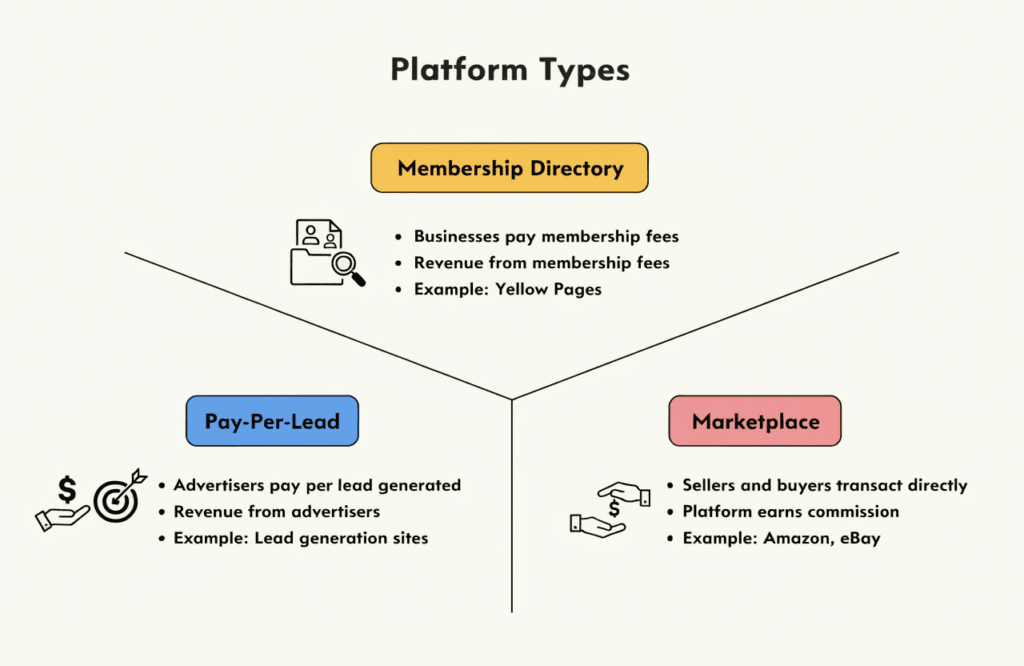
Before comparing individual sites, it helps to understand that most UK tradesperson platforms fall into one of three categories.
Membership directories charge an annual or monthly fee for a verified listing on their platform. You go through a vetting process, your qualifications and insurance are checked, and you're listed alongside other approved trades in your area. Examples include Checkatrade, TrustATrader, and Which? Trusted Trader. These sites suit tradespeople who want to build a long-term reputation and prefer warm, inbound enquiries over having to chase leads.
Pay-per-lead platforms let customers post jobs, then charge tradespeople to access the contact details of those customers. You only pay when you see a job you want to quote on. Examples include Rated People, MyBuilder, and Bark. The appeal is control — you choose which leads to buy and can pause spending when you're busy. The downside is that you're often competing with two or three other trades for the same job, so your speed and pitch matter enormously.
Marketplace platforms allow customers to buy a fixed-price service and select a tradesperson from a list of approved providers. Amazon Home Services is the most well-known example in the UK, though applications have periodically been paused. This model suits trades who work at fixed prices and don't want to spend time quoting.
Understanding which model a platform uses before you sign up can save you from some expensive surprises.
Which Tradesperson Recommendation Sites Are Best?
1. Checkatrade
Checkatrade is the most widely recognised trade directory in the UK and has been operating since 1998, when it was founded in response to rogue traders targeting homeowners after a tornado in Selsey. That heritage matters — it means the brand has genuine consumer trust built up over decades.
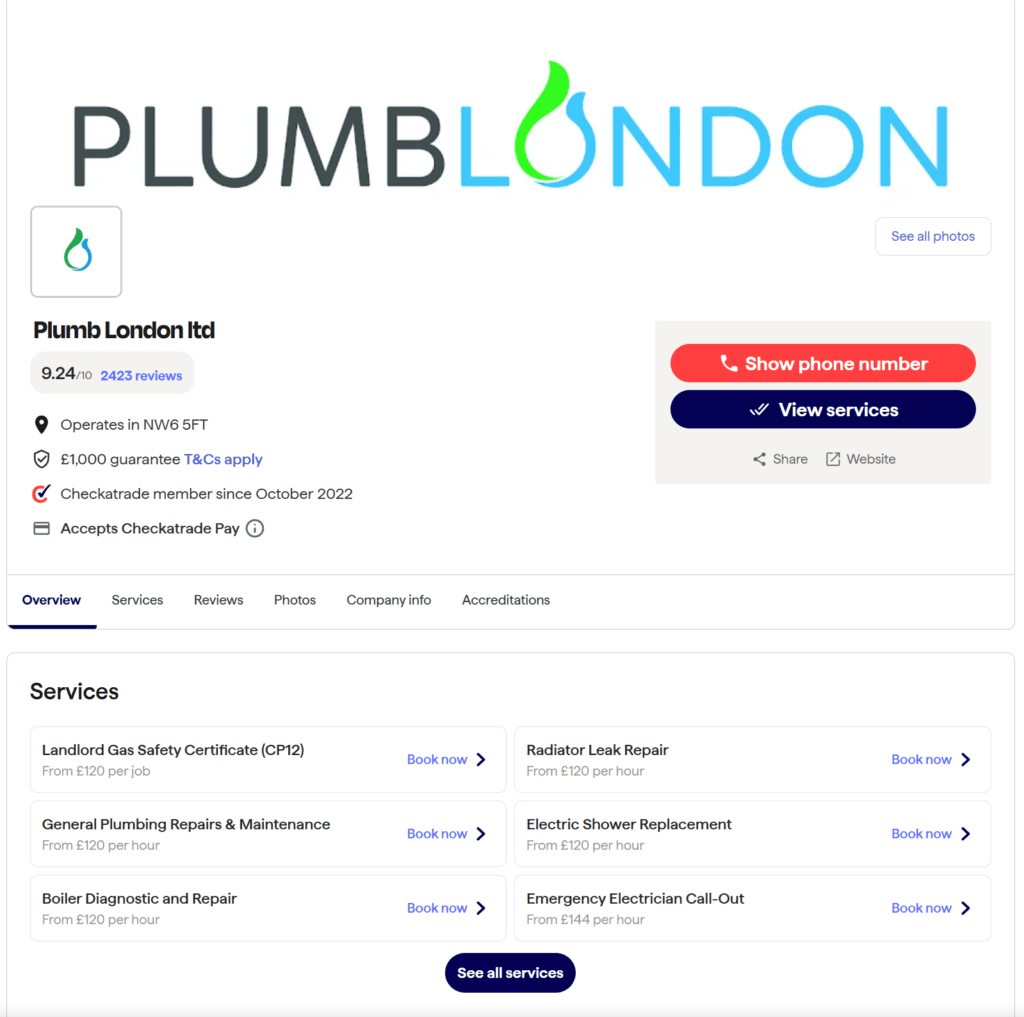
Tradespeople pay a monthly membership fee to be listed, with pricing typically starting at around £30 + VAT per month for a basic plan, rising depending on your trade and location. The vetting process checks qualifications, insurance, and references before you're approved. Once listed, your profile shows customer reviews, your trade accreditations, and photos of your work.
Checkatrade also offers a guarantee covering up to £1,000 for work completed through the site, which gives customers an added reason to choose a listed tradesperson over someone found elsewhere. That trust signal is a real commercial advantage if your reviews are strong.
The main drawbacks are cost and competition. In some postcodes, particularly in cities, there are already a lot of approved trades in any given category. Building enough reviews to stand out from the crowd takes time, and you'll be paying for your listing throughout.
Best for: Established tradespeople in busy areas who want a credibility-building platform with strong consumer recognition.
2. Rated People
Rated People operates on a pay-per-lead model with a low monthly subscription (around £15 at the time of writing), on top of which you purchase individual leads that match your services and location. What sets it apart from some competitors is the job detail provided upfront — customers include budget information and job specifics, so you can make an informed decision before spending credits.
The platform limits the number of tradespeople who can buy contact details for any single job to three, which reduces the "everyone's quoting" fatigue that can make some lead platforms feel like a race to the bottom on price. That cap also works in your favour if you respond quickly and present well.
Rated People tends to work better for tradespeople who are comfortable handling enquiries over the phone and can turn around quotes quickly. If you're not confident on the phone or slow to respond, the cost of leads can mount without converting into work.
Best for: Tradespeople who want to choose their jobs and control their spend on a month-by-month basis.
3. TrustATrader
TrustATrader runs on a subscription model and distinguishes itself by deliberately capping the number of members per trade and area. That means less competition for the tradespeople who are listed, but it also means the platform may already be full for your trade in your postcode.
The platform advertises on TV and radio, which drives consumer traffic and keeps the brand visible. It also offers a text-a-trader service, making it easier for customers to reach you through the platform. The vetting process is rigorous — all tradespeople must provide proof of qualifications and public liability insurance — so the badge carries genuine weight with customers who take the time to look.
Best for: Tradespeople in areas where spots are still available, particularly gas, electrical, and heating trades where safety credentials matter most.
4. MyBuilder
MyBuilder takes a slightly different approach to pay-per-lead. Tradespeople sign up for free and can browse job alerts, but only pay when they're shortlisted by a homeowner — at which point a fee is charged to access the customer's contact details. The cost is linked to the value of the job.
This makes it relatively low-risk for tradespeople starting out, since you don't pay unless a customer has already shown interest in you specifically. The platform is particularly popular with builders, kitchen and bathroom fitters, and multi-trade contractors, where customers tend to post larger project-based jobs and compare multiple quotes.
The vetting process is lighter than some competitors, which means lead quality can be inconsistent. It also means you may need to be more proactive about building your profile and review history to stand out.
Best for: Builders and general contractors looking for project-based work with a pay-on-interest model.
5. Bark.com
Bark operates on a credits system. Customers post jobs across a wide range of service categories — well beyond trades — and tradespeople spend credits to access their contact details and respond. Bark covers everything from plumbers and electricians to personal trainers and virtual assistants, which means not every lead you see will be relevant.
The platform can generate a reasonable volume of enquiries, particularly in urban areas, but lead quality and cost-per-conversion vary significantly. You'll need to monitor your return on investment closely and be willing to adjust which leads you buy based on what's actually converting into paid work.
Best for: Tradespeople who want to top up their diary with varied work and are comfortable managing a credit-based system.
6. MyJobQuote.co.uk
MyJobQuote is a comprehensive directory with a strong presence on Trustpilot and a solid process for verifying that tradespeople hold public liability insurance. Customers post jobs and receive bids from qualified tradespeople, and the platform has a clear, transparent hiring process that reassures cautious homeowners.
It's used by over 50,000 tradespeople across the UK and covers a broad range of home improvement trades. If you're not yet listed, it's worth setting up a profile and ensuring it's fully completed with photos, qualifications, and a solid business description.
Best for: Tradespeople in home improvement trades who want another quality directory to supplement their main lead sources.
7. Which? Trusted Trader
Which? carries genuine authority with a certain type of consumer — typically older homeowners who are cautious about hiring tradespeople and use Which? as a trusted source for product and service recommendations. The subscription fees are significant (in the range of £770–£1,300 annually, plus a non-refundable assessment fee), and the membership approval process involves checks on both credit history and work quality.
The trade-off for that cost is access to a high-intent, quality-conscious customer base. Which? Trusted Trader members tend to attract fewer tyre-kickers and more customers who are ready to commit.
Best for: Established tradespeople targeting older or more cautious homeowners who value institutional trust signals.
8. Airtasker
Airtasker is a marketplace platform where customers post tasks, receive offers, and pick a tradesperson based on reviews and price. Communication and payment both take place within the platform. It covers a wide range of services, from trades to more general tasks, and operates on a transparent review and rating system.
It's less trade-specific than Checkatrade or Rated People, which can affect the type of enquiries you receive. That said, it can be a useful supplementary platform, particularly for smaller jobs or tradespeople who are building up their review history and want more volume.
Best for: Tradespeople happy to work across a range of task sizes and wanting a marketplace-style platform.
9. Get a Tradesman
Get a Tradesman is a smaller directory in the UK market, with a more limited reach than the major platforms. It allows tradespeople to list their services, and customers can search by trade and location. It's worth setting up a free or low-cost listing for the citation value alone — every reputable directory you appear on helps build your local SEO — but I wouldn't make it a primary lead source.
Best for: Adding a citation to support your local SEO rather than as a standalone lead generator.
10. Yell.com
Yell started life as the Yellow Pages — and while it's lost the prominence it once had in search results, a free listing is still worth having. It functions as a general business directory, which means your audience is broad, but the citation value for local SEO is real. Getting your Name, Address and Phone Number (NAP) consistently listed across directories like Yell contributes to how Google understands and ranks your business in local search.
For more detail on which directories to target for local SEO benefit, take a look at my post on directory sites for plumbers — the principles apply across all trades.
Best for: Free listing for citation value. Not a primary lead source.
How to Choose the Right Platform for Your Trade
There's no single best platform. The right choice depends on four practical factors.
Your trade. Heating engineers, gas installers, and electricians tend to get better results from membership directories like Checkatrade and TrustATrader, because customers hiring for safety-critical work want to see verified credentials upfront. Builders, bathroom fitters, and general contractors tend to do well on MyBuilder and Rated People, where project-based job postings are common.
Your location. Some platforms cap the number of tradespeople per area. Before signing up to a subscription-based directory, check how many similar trades are already listed in your postcode. If it's crowded, a pay-per-lead platform will give you more flexibility to compete on your own terms.
Your budget. Membership directories ask for a fixed commitment, which is fine once your profile and reviews are established, but can be a real strain in quieter months before you've built up visibility. Pay-per-lead platforms let you scale spend up or down month by month, which suits tradespeople in growth mode or those managing seasonal work patterns.
Your sales confidence. If you're good on the phone, fast to respond, and comfortable explaining your pricing, pay-per-lead platforms can be very effective — you're often one of only a handful of trades contacting the customer. If you'd rather have warm enquiries come to you, a membership directory where customers find you and reach out directly will feel more natural.
A Comparison at a Glance
| Platform | Model | Approx. Cost | Best for |
|---|---|---|---|
| Checkatrade | Membership directory | From ~£30 + VAT/month | Established businesses, trust-focused |
| Rated People | Pay-per-lead | ~£15/month + lead costs | Control over spend and job type |
| TrustATrader | Membership directory | Subscription (varies by area) | Limited competition, specialist trades |
| MyBuilder | Pay-per-shortlist | Free to list; fee per lead | Builders and multi-trade contractors |
| Bark.com | Credits-based | Credits purchased per lead | Volume, varied services |
| MyJobQuote | Pay-per-lead | Lead costs vary | Home improvement trades |
| Which? Trusted Trader | Membership directory | ~£770–£1,300/year | Cautious, quality-conscious customers |
| Airtasker | Marketplace | Commission-based | Varied task sizes |
| Get a Tradesman | Directory | Low cost / free | Citation value |
| Yell.com | Directory | Free listing | Citation value |
The Smarter Long-Term Strategy: Own Your Leads
Here's the thing I always come back to when talking to tradespeople about recommendation sites. When you get a lead through Checkatrade or Rated People, you're renting access to that customer. The moment you stop paying, the leads stop. And if you've built 80 five-star reviews on one platform and decide to leave, those reviews don't come with you.
Your own website is different. A well-optimised website combined with a strong Google Business Profile means that when someone searches for your trade in your area, they find you — not a platform that also lists your competitors. The lead comes directly to your inbox or phone. No credits, no monthly fees, no competing for the same customer as three other trades.
SEO (Search Engine Optimisation) is the long-term investment that makes this happen. It takes longer to build than a directory listing — typically three to six months before you start seeing consistent enquiries — but the compound effect is significant. Once your website ranks, it keeps generating leads without you spending more. I've written more about how this works in my plumbing lead generation guide.
PPC (Pay-Per-Click advertising via Google Ads) is the faster option. You can start showing at the top of Google search results within days, paying only when someone clicks your ad. It's not free, but the leads are exclusive and high-intent — someone who has searched specifically for your trade and clicked your ad is already further down the path to booking than most directory enquiries. Take a look at my overview of Google Ads for trades if you want to understand how it works.
The best approach, in my experience, is to use recommendation sites to supplement your pipeline while you build your website's organic presence — not to rely on them indefinitely. Over time, your own website becomes your primary source of leads, and the platforms become an occasional extra rather than a monthly overhead you can't afford to cancel.
If you want to understand how both SEO and PPC can work together for your trade business, take a look at our combined SEO and PPC packages.
Conclusion
Tradesperson recommendation sites have a genuine role to play, particularly when you're starting out or want to supplement a quiet patch. Checkatrade is the most trusted for consumer-facing credibility. Rated People and MyBuilder give you more control over spend. TrustATrader suits specialist trades where qualifications matter. Bark and Airtasker are worth testing if you want volume.
But none of them give you what a well-built website and a strong local SEO presence give you: leads that come directly to you, customers who have chosen you rather than whoever was listed first in a directory, and a pipeline that doesn't disappear if you cancel a subscription.
If you'd like to see how your site is performing right now, run a free SEO audit — it takes under a minute and gives you a clear picture of where you stand.