If you've ever paid £30 for a boiler lead only to find out it went to two of your competitors at the same time, you already know the problem. Shared leads put you in a price war before you've even spoken to the customer. The real opportunity for any boiler installation or replacement company is to generate your own exclusive enquiries — leads that come to you and only you.
This article is part of my guide to marketing for tradespeople.
This guide covers every channel worth your time, from Google Ads and Facebook to local SEO and offline tactics, along with how to nurture those leads once you have them.

Should You Buy Boiler Leads or Generate Your Own?
This is the first decision every boiler company faces, and it's worth being direct about it.
Lead resellers like Boiler Guide operate on a shared model. You pay roughly £30 per lead — though some providers advertise from £6 — and that same lead goes to two or three of your competitors at the same time. The homeowner has usually filled out a quote comparison form, which means they're already shopping on price. You're competing from the moment you pick up the phone.
Generating your own leads through digital marketing flips that dynamic. The homeowner found your business specifically, which means they arrive with a degree of trust already built. Conversion rates are higher, and you're not racing to the bottom on price.
The trade-off is time and upfront investment. Buying leads can work if your sales process is tight and your margins allow it. But for any boiler company that wants sustainable growth, building your own lead generation system is always the better long-term play.
Build a Website That Actually Converts
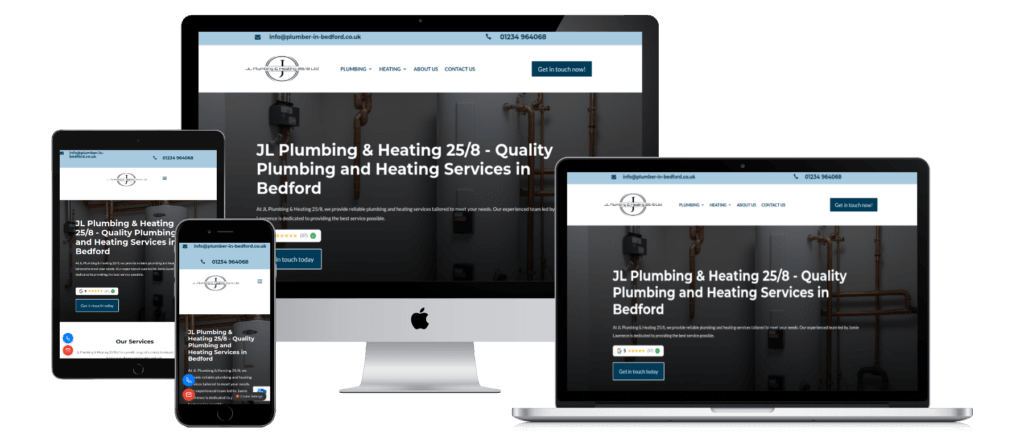
Before you spend a penny on advertising, your website needs to be able to convert the traffic it receives. Sending paid clicks to a slow, unclear, or untrustworthy site is like running a bath with the plug out.
A few things that make a material difference:
Click-to-call on mobile. The majority of boiler enquiries come from people on their phones, often in an urgent situation. Your phone number should be tappable at the top of every page.
Clear service pages. A single homepage trying to cover boiler installation, repairs, servicing, and replacements will convert poorly across all of them. Dedicated pages for each service — targeting the specific keywords people search — outperform a generic catch-all.
Trust signals. Gas Safe registration, manufacturer accreditations, Checkatrade or Trustmark badges, and genuine customer reviews should be visible without scrolling. A homeowner letting a stranger into their house to work on their heating system needs to trust you before they enquire.
A fast load time. Google's own data shows that conversion rates drop significantly as page load times increase. If your site takes more than three seconds to load on mobile, you're losing leads before they've even read your headline.
How to Generate Boiler Leads With Google Ads (PPC)
Google Ads is the fastest way to get boiler enquiries coming in. When someone searches "new boiler installation near me" or "boiler replacement cost," they're actively looking to spend money. Appearing at the top of those results with a well-crafted ad puts you directly in front of high-intent buyers.
Here's how to get it right:
Target high-intent keywords. Focus your budget on searches that indicate someone is ready to act: "boiler replacement near me," "new boiler installed," "boiler installation quote," "combi boiler fitted." Avoid broad terms like "boiler" alone — these attract too much noise.
Use location targeting. Set your campaigns to target your actual service area. There's no value in paying for clicks from people 50 miles outside your patch. Tighten your radius to match the areas you genuinely cover.
Add negative keywords from day one. Terms like "DIY," "how to fix," "boiler cover," and "free boiler scheme" will eat your budget with clicks that never convert. Build a negative keyword list before you launch and add to it regularly.
Check your search terms report. After a couple of weeks you'll have real data showing exactly what people typed before clicking your ad. This is where you find irrelevant terms to exclude and high-performing queries to bid up on.
Set up conversion tracking. Without tracking, you're guessing. Conversion tracking in Google Ads — connected to phone calls, form submissions, or quote requests — tells you exactly which keywords and ads are generating leads, so you can put more budget behind what works and cut what doesn't.
Google Ads management takes time to get right. If you want campaigns that generate a consistent flow of boiler enquiries without wasted spend, take a look at our PPC management services.
How to Generate Boiler Leads With Facebook Ads
Facebook isn't where most homeowners start searching for a boiler — but it's where you can reach them before they start searching. That distinction matters.
Facebook's targeting allows you to reach homeowners in a specific geographic area, within certain age brackets, and with household income filters. The "Homeowner" interest category is a useful starting point. From there, you can layer on additional criteria to tighten the audience.
The average cost-per-click for home improvement advertising on Facebook sits around £0.78, with a conversion rate of roughly 10% from click to enquiry — meaning a well-optimised campaign can generate leads for approximately £8 each. Assuming a homeowner contacts three installers, the realistic cost per acquired customer sits somewhere around £24. That compares very favourably to buying shared leads at £30 or more.
A few things that make Facebook boiler campaigns perform better:
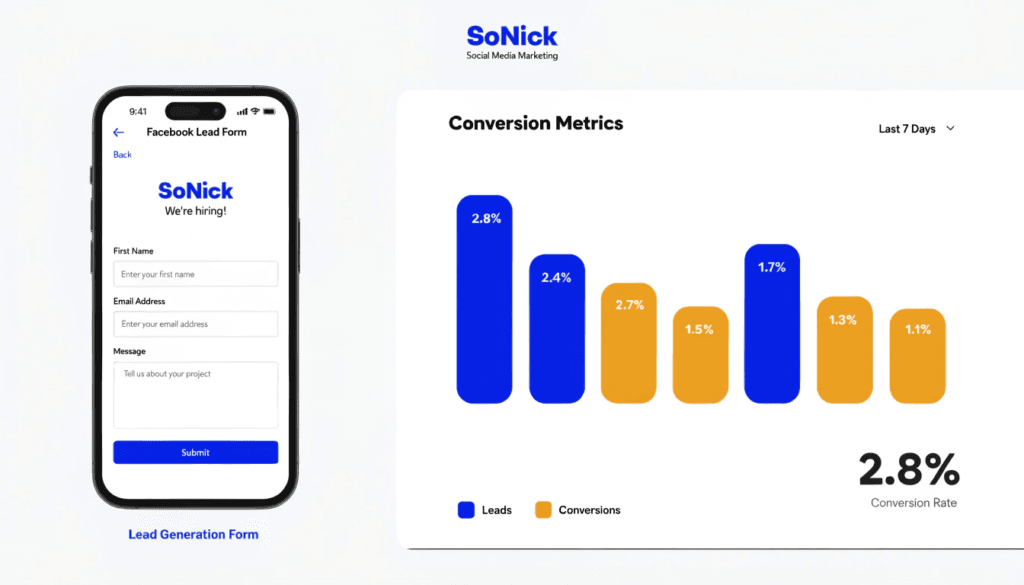
Lead forms over landing pages (usually). Facebook's native lead forms pre-fill the user's contact details, removing friction. For boiler leads, a short form asking for name, phone number, and postcode tends to outperform sending people to a website, especially on mobile.
Social proof in the creative. Ads showing real photos of completed boiler installations, customer testimonials, or engineer-on-the-job imagery consistently outperform generic graphics. Homeowners are handing over access to their home — they want to see a real, trustworthy business.
Retargeting. Anyone who visited your website but didn't enquire is a warm audience. A retargeting campaign showing them a specific offer or testimonial-led ad can bring a meaningful percentage of those lost visitors back.
Local SEO: The Long-Term Engine for Boiler Leads
Google Ads and Facebook give you leads quickly, but you're paying for every single one. Local SEO builds an asset that generates enquiries for free, month after month, without any ongoing ad spend.
For a boiler company, local SEO means appearing prominently when someone in your area searches for your services. The two places that matter most are the Google Local Pack (the map results at the top of local searches) and organic search results below it.
Your Google Business Profile
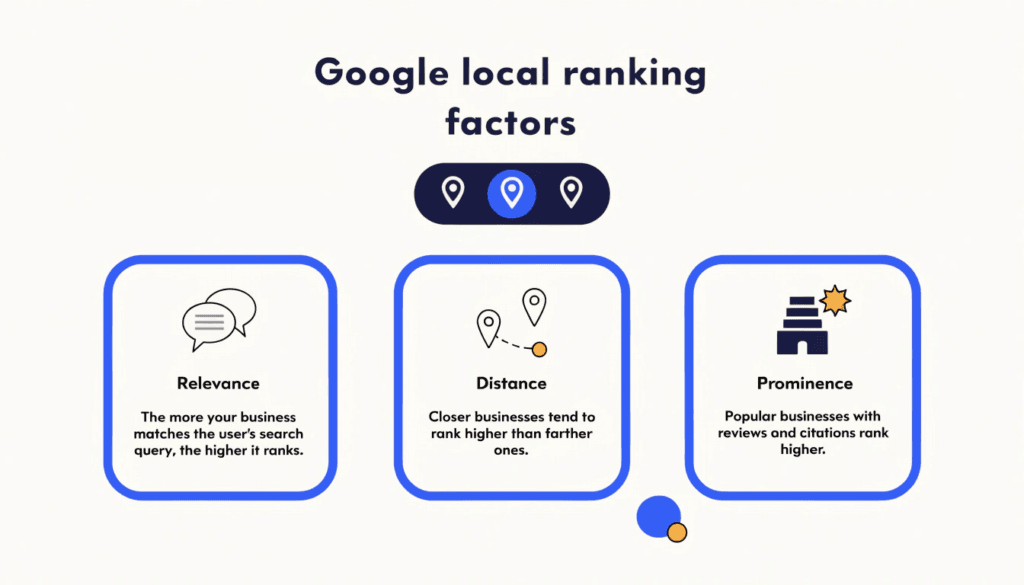
Your Google Business Profile (formerly Google My Business) is the single most important free tool available to a local boiler company. When someone searches "boiler installation [your town]," a well-optimised profile can place you in the Local Pack — above the organic results and directly in front of homeowners who are ready to book.
To make it work:
- Choose the most specific primary category. "Boiler Installation" or "Heating Contractor" will outperform the generic "Plumber."
- Write a business description that includes your services and the towns you cover.
- Add every service you offer with a description — Google uses these to match your profile to relevant searches.
- Upload photos regularly. Profiles with photos receive significantly more clicks than those without.
- Keep your name, address, and phone number (NAP) identical to what appears on your website and every other directory listing. Inconsistencies harm your local rankings.
Reviews
Volume and recency of reviews are among the strongest signals Google uses to rank businesses in the Local Pack. A business with 80 reviews averaging 4.6 stars will almost always outperform one with 10 reviews averaging 5 stars. Ask every satisfied customer to leave a review — ideally at the moment they express how happy they are with the job, while the sentiment is fresh.
Local Citations
Getting your business listed accurately on directories like Yell, Thomson Local, Checkatrade, and Gas Safe's own register builds what's known as citation authority. These listings reinforce your legitimacy to Google and help you appear in more local searches. Inconsistent NAP details across directories are one of the most common, and most fixable, reasons boiler companies underperform in local search.
For a deeper look at how SEO works for trade businesses, our guide on how to rank higher on Google is a useful next read. And if you'd like us to handle your local SEO directly, find out more about our SEO services.
Offline Methods That Still Work
Digital channels will generate the majority of your leads, but offline tactics shouldn't be dismissed — particularly for boiler companies operating in a defined local area.
Referrals. Word-of-mouth remains one of the highest-quality lead sources available. A customer referred by a trusted friend or neighbour arrives with a different level of trust than a cold enquiry. Make asking for referrals a consistent part of your process — after a successful installation, let the customer know you'd appreciate any introductions.
Van branding. A well-branded vehicle doing work in a residential street is passive advertising that continues working all day. People notice vans outside their neighbours' houses, particularly if the job takes a few hours. Keep the branding simple: your name, what you do, your phone number, and your website.
Local networking. Relationships with estate agents, letting agents, property managers, and builders can produce a steady flow of referrals. These are people who regularly deal with homeowners who need heating work — building a relationship with even a handful of them can generate consistent enquiries over time.
How to Nurture Boiler Leads and Improve Your Close Rate
Generating a lead is only half the job. Research consistently shows it takes around eight meaningful touchpoints between a first introduction and a closed sale. Most boiler companies follow up once or twice and then move on — which means they're leaving a significant amount of business on the table.
A simple nurture process looks like this:
- Respond within minutes. Speed of response is one of the biggest differentiators in a market where homeowners are often comparing multiple quotes. If you can call back within five minutes of a form submission or missed call, you'll win more jobs on that basis alone.
- Send a confirmation. After the initial call, follow up with a text or email confirming the appointment or quote details. It sets a professional tone immediately.
- Follow up after quoting. If you haven't heard back within two or three days of sending a quote, a brief, friendly follow-up call or message is appropriate and often effective.
- Stay in touch with past customers. A boiler installed today will need servicing in twelve months. A simple reminder message or email to your existing customer base can generate repeat business and additional referrals with very little effort.
Building even a basic CRM habit — logging who you've quoted, when, and where they are in the process — gives you visibility over your pipeline and makes follow-up systematic rather than an afterthought.
Conclusion
Boiler lead generation works best when you're not dependent on any single channel. Google Ads delivers immediate, high-intent enquiries. Facebook reaches homeowners before they start comparing quotes. Local SEO builds a compounding asset that generates free leads over time. Offline tactics and referrals fill in the gaps.
The biggest shift you can make is moving away from buying shared leads and investing that budget into channels that bring enquiries exclusively to your business. It takes more effort to set up, but the economics are substantially better — and you're building something that grows in value over time.
If you'd like help setting up or improving any of these channels for your boiler business, get in touch and let's talk through what's possible.