If you run a small business and you're not investing in digital marketing, you're essentially handing customers to your competitors on a plate. That might sound dramatic — but think about it. When did you last look something up in a phone book? When did you last buy from a business you'd never heard of without Googling them first? Your customers are doing exactly the same thing, and if you're not showing up online, someone else is.
The good news is that digital marketing has never been more accessible. You don't need a six-figure budget or a full marketing team. What you do need is a clear strategy, the right channels, and a basic understanding of what you're trying to achieve.
That's what this guide is for. I'll cover what digital marketing actually is, why it matters so much for small businesses right now, and — crucially — where to start if it all feels a bit overwhelming.
What Is Digital Marketing?
Digital marketing is the umbrella term for any marketing activity that happens online. That includes:
- Search engine optimisation (SEO) — getting your website to rank in Google so people find you organically
- Pay-per-click advertising (PPC) — paid ads on Google, Bing, or social platforms that appear when people search for your services
- Social media marketing — building an audience and engaging with customers on platforms like Facebook, Instagram, and LinkedIn
- Email marketing — staying in touch with existing customers and nurturing new leads
- Content marketing — blogs, guides, and videos that attract, educate, and build trust with your audience
- Your website — the foundation everything else points back to
It's a broad world, which is partly why it feels daunting. But you don't need to be doing all of these at once. The key is knowing which channels are right for your business and your audience — and building from there.
One thing worth understanding early on is the difference between inbound and outbound marketing. Inbound is about attracting people to you: good SEO means someone finds your website when they're already looking for what you offer. Outbound is about reaching people directly: a Google Ads campaign, a social media ad, or a cold email. Both have a place in a small business marketing strategy, but inbound typically delivers better long-term value for money.
Why Digital Marketing Matters More Than Ever for Small Businesses
There's a stat worth knowing here: over 5.6 billion people use the internet, and the average person spends more than two and a half hours online every day. Your potential customers are on the internet — researching purchases, reading reviews, comparing local businesses, and deciding who to call. If you're not there, you simply don't exist to them.
This is a fundamentally different world from even ten years ago. Traditional marketing — print ads, leaflet drops, Yellow Pages listings — once gave small businesses a fighting chance. Today, those channels have a fraction of their former reach. Digital marketing has taken over, and it's done something remarkable in the process: it's levelled the playing field.
Here's what I mean. A well-optimised small business website can outrank a national brand in local search results. A smartly targeted Google Ads campaign can put your services in front of people actively looking to buy, right now, for a fraction of the cost of a newspaper ad. A consistent social media presence can build trust and brand recognition in your local area without spending a penny on paid promotion.
None of that was possible with traditional marketing unless you had serious money behind you.
The Key Benefits of Digital Marketing for Small Businesses
You can reach the right people, not just more people
Traditional advertising is scattergun. A leaflet drop goes to everyone on the street, regardless of whether they're your customer. Digital marketing lets you target by location, age, search intent, interests, device — the list goes on. If you're a plumber in Manchester, you can run a Google Ads campaign that only shows to people in Manchester searching for plumbers. That's powerful targeting that was simply not available before.
Everything is measurable
One of the biggest frustrations with traditional marketing is not knowing whether it worked. Digital marketing solves that completely. Google Analytics tells you how many people visited your site, where they came from, and what they did when they got there. Your Google Ads dashboard shows you exactly which searches triggered your ads, which clicks led to enquiries, and what your cost per lead is.
This means you can make decisions based on data, not gut feeling — and continuously improve your results over time.
It builds trust and credibility
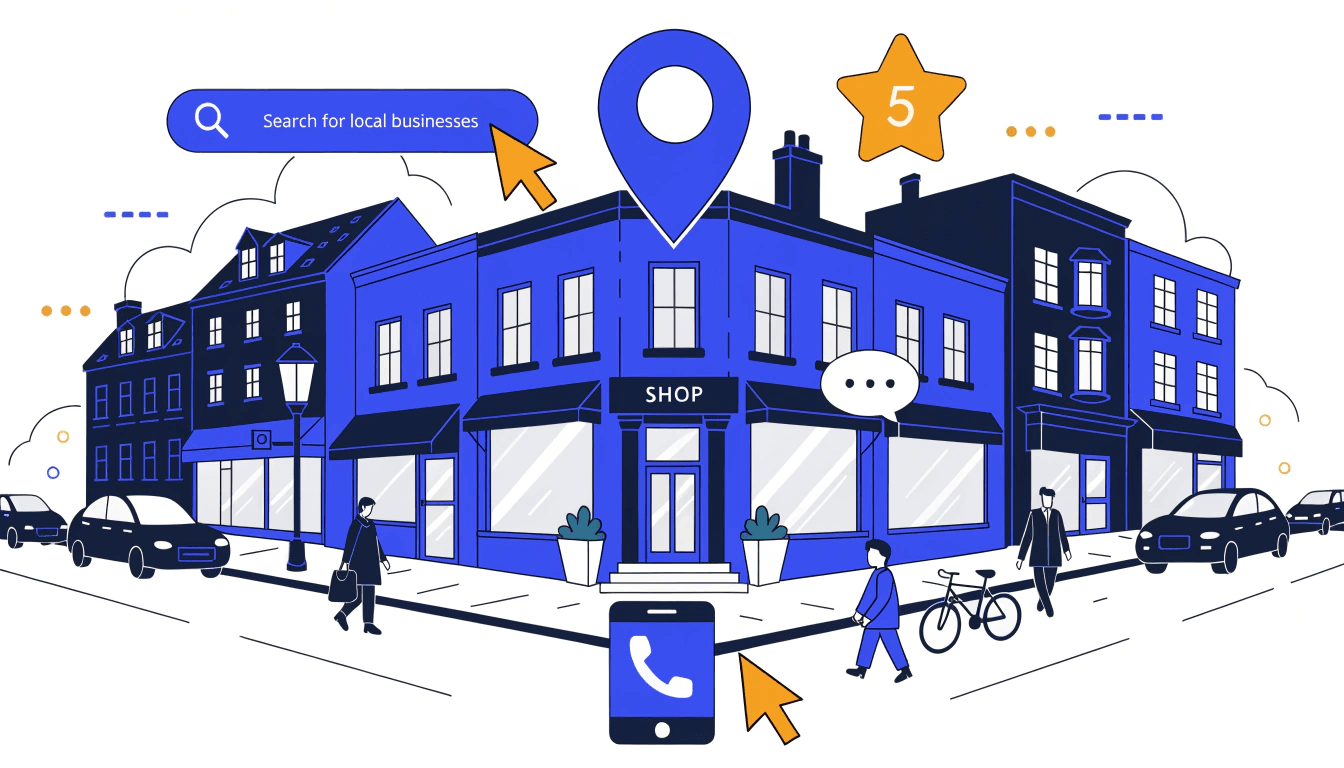
Appearing consistently in search results, maintaining an active Google Business Profile, and earning positive reviews all send strong trust signals to potential customers. For a small business, credibility is everything. People are increasingly cautious about who they spend money with, and a strong digital presence — particularly local SEO and Google reviews — is one of the fastest ways to build that confidence. I'd recommend reading our guide to local lead generation for small businesses for more on this.
It creates two-way conversations
Traditional advertising is one-directional — you send a message, the customer receives it, and that's it. Digital marketing opens up a genuine dialogue. Social media lets customers comment, ask questions, and share your content. Email lets you personalise your communication. Even your website can host a live chat. This two-way relationship builds loyalty in a way that a print ad never could.
It's cost-effective, especially for local businesses
You don't need a huge budget to make digital marketing work. A well-structured Google Ads campaign can start with a modest daily spend and generate a positive return from day one. SEO, though it takes longer to deliver results, builds compounding organic traffic that costs you nothing per click once it's working. Compare that to a newspaper ad that runs once and then disappears — the return on investment from digital marketing is, over time, significantly stronger.
The Main Digital Marketing Channels for Small Businesses
Your Website
Everything in digital marketing points back to your website. It's the one thing you fully own and control — unlike a social media profile that could disappear tomorrow if a platform changes its algorithm or bans your account. Your website is your digital shopfront, and it needs to work: fast loading, mobile-friendly, easy to navigate, and clear about what you do and who you serve. I have a post on best practices in web design if you want to go deeper on this.
SEO (Search Engine Optimisation)
SEO is the process of making your website more visible in Google's organic search results. When someone searches for "plumber in Bristol" or "salon near me," SEO is what determines whether your site shows up — or a competitor's does. It takes time to build momentum, but the long-term payoff is significant: free, targeted traffic from people actively looking for what you offer.
A tool like SE Ranking is worth using to track your keyword positions, audit your site's health, and spy on what your competitors are ranking for — all useful data when you're building an SEO strategy.
PPC / Google Ads
PPC puts you at the top of search results immediately, even before your organic rankings have had time to build. You pay when someone clicks your ad, and you only appear when someone searches a relevant term. For trades and local service businesses, Google Ads can be one of the fastest routes to new enquiries.
Social Media
Social media is most valuable for brand awareness and staying top of mind with people who've already encountered your business. The platform you focus on depends on your audience — Facebook tends to work well for local service businesses reaching homeowners; Instagram suits visually-led businesses like salons and interior designers; LinkedIn is better for B2B services.
Email Marketing
Email is consistently underestimated. For businesses with an existing customer base, email is one of the highest-ROI channels available — it costs very little to run and speaks directly to people who already like you. A regular newsletter, seasonal promotions, or a simple follow-up sequence after an enquiry can all drive repeat business and referrals.
Content Marketing
Blog posts, guides, and videos that answer your customers' questions do two things at once: they help you rank in Google, and they build trust with people who find you. If you're a plumber, a post on "how to know when your boiler needs replacing" could rank for that exact search and bring a qualified, warm lead to your website. I write more about this in the benefits of content marketing for small businesses.
How to Get Started: 6 Practical Steps
1. Set clear goals
A marketing strategy without goals is just activity. Before you spend a penny, decide what you're actually trying to achieve. Do you want more enquiries? More website traffic? More repeat bookings? Your goals should be specific and measurable — not "I want more customers" but "I want to generate 20 new enquiries per month from online sources."
2. Know your audience
Who are your best customers? Where do they live? What do they search for? What problems are they trying to solve? The more clearly you can answer these questions, the better your marketing will be. If you're not sure, talk to your existing customers — ask them how they found you and what made them choose you over a competitor.
3. Build your foundations
Before you run a single ad or publish a blog post, get the basics right:
- A professional, mobile-friendly website
- A claimed and completed Google Business Profile (this is free and extremely powerful for local visibility)
- Google Analytics set up so you can see where your traffic comes from
- A basic tracking setup so you know which channels are generating enquiries
4. Choose your first channels
Don't try to do everything at once. For most small businesses, I'd recommend starting with your website and SEO as your long-term foundation, and adding Google Ads if you need leads immediately. Social media is worth doing if you have the time, but it shouldn't come at the expense of getting your website and search presence right first.
5. Create content for your audience
Once your foundations are in place, start producing content that answers the questions your customers are actually asking. Think about the most common things people ask you before they hire you — those are your blog topics. This builds your organic visibility over time and positions you as the expert in your field.
6. Track, measure, and improve
Set aside time each month to review your results. What's driving enquiries? What's attracting traffic but not converting? Where are your best customers coming from? Use this data to refine your approach. Digital marketing rewards consistency and iteration — the businesses that get the best results are the ones that keep showing up and keep improving.
What's the Fastest Route to Results for a Small Business?
If you want my honest answer: a strong website combined with SEO and Google Ads working together. This is the approach I use with the vast majority of clients at SoNick Marketing, and it works because the two channels complement each other perfectly.
Google Ads delivers results immediately — qualified traffic from people actively searching for what you offer. SEO builds over time, reducing your dependence on paid traffic and creating compounding returns. Together, they cover both the short and long term. You can read more about how we structure this in our SEO and PPC packages.
Social media and email are worth adding once you have those foundations in place. Content marketing — blogging, in particular — amplifies your SEO and builds authority over the long term.
The biggest mistake small businesses make is trying to do everything at once and ending up doing nothing well. Pick your priority channels, invest in them properly, and build from there.
Final Thoughts
Digital marketing isn't optional for small businesses any more — it's the primary way customers find, evaluate, and choose who to hire. The good news is that you don't need a big budget or a team of specialists to compete. You need a clear strategy, the right channels for your business, and the discipline to track what's working.
Start with the foundations: a good website, a strong Google Business Profile, and a basic SEO and PPC strategy. Everything else can come once those are working.
If you'd like to see how your current website and online presence stack up, run a free SEO audit — it takes under a minute and gives you a clear picture of where you're starting from.