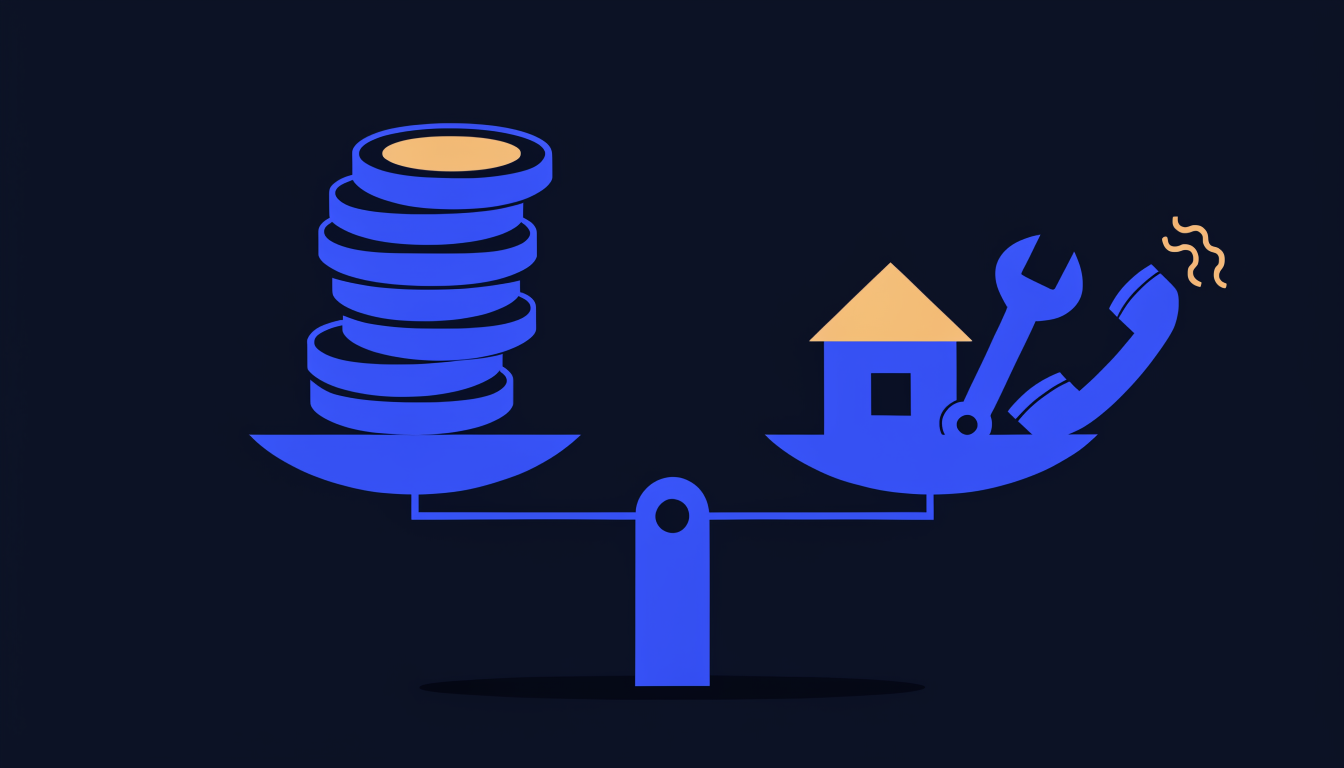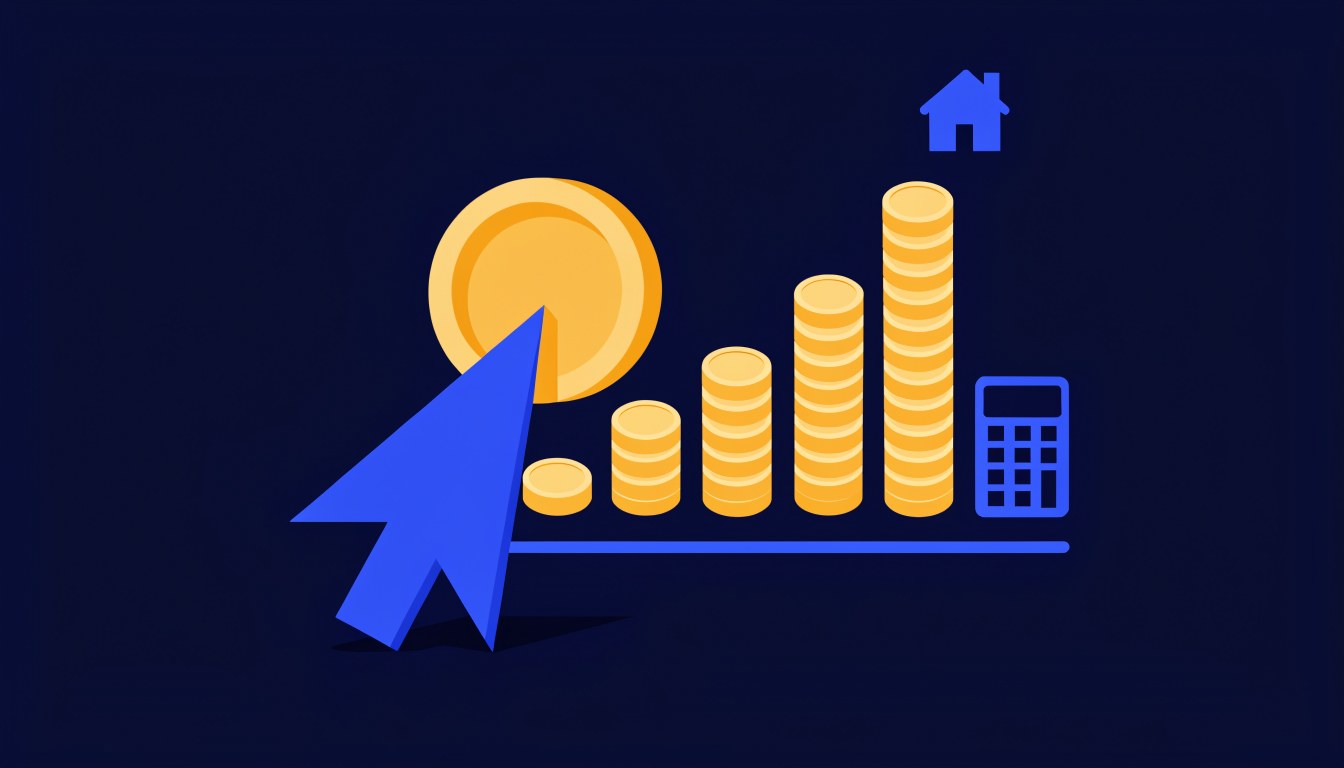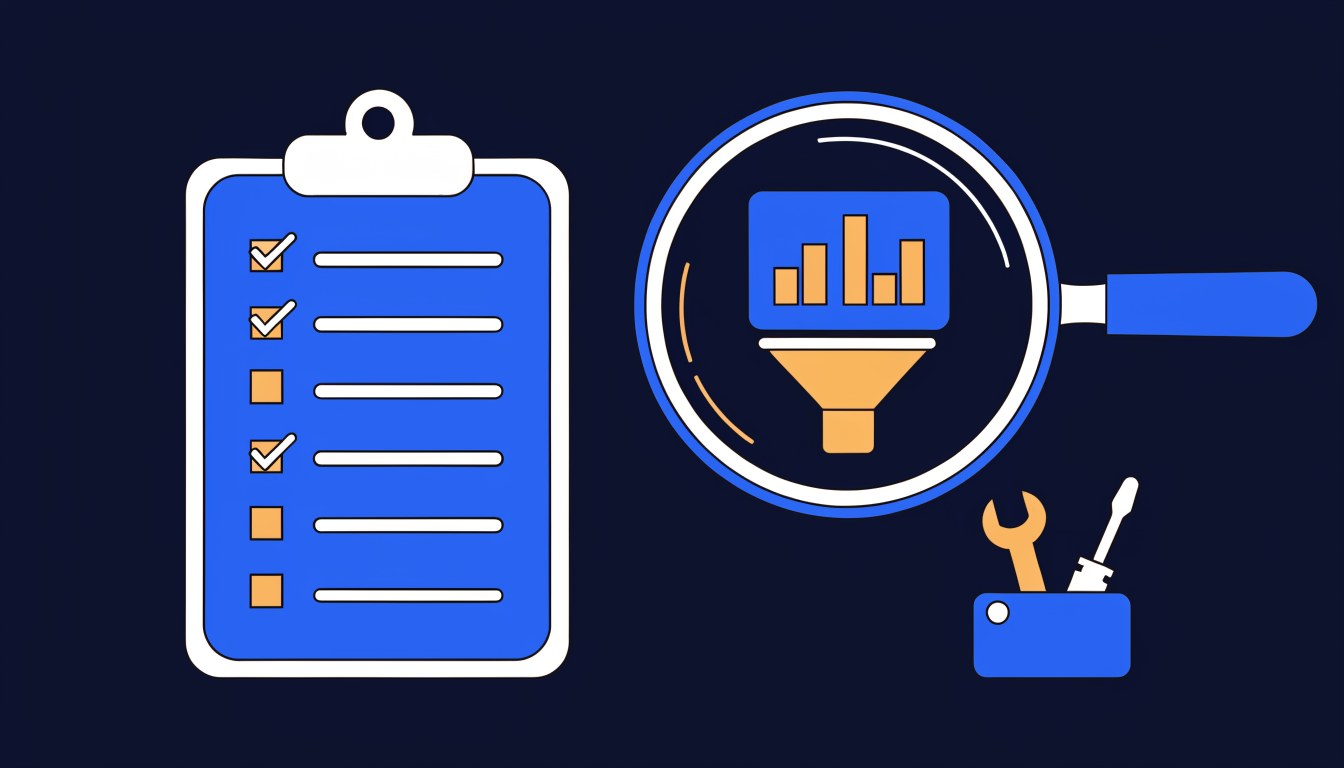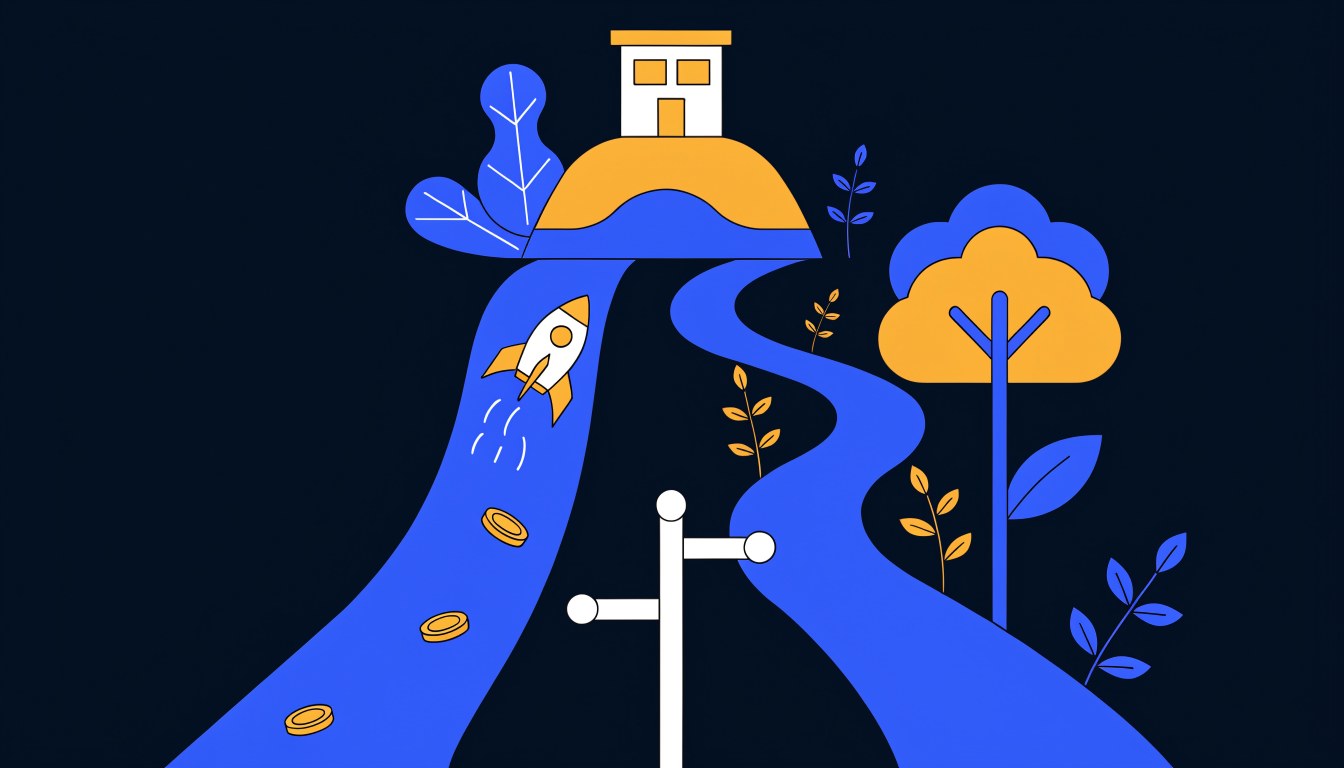
If you need enquiries in the next few weeks, start with Google Ads. If you can wait three to six months and want a lower cost per lead in the long run, start with SEO. If you can afford both, run ads now to keep the phone ringing while SEO builds underneath, then lean less on ads as your free rankings improve. That's the short answer, and it's the one I give whether someone comes to me for SEO or for PPC.
I sell both, so I've no reason to push you one way. I spent 16 years running a plumbers' merchants before moving into digital marketing in 2019, and I now manage Google Ads and SEO for small businesses and tradespeople. Below is how I'd decide in your shoes, including the situations where I'd tell you to spend on neither yet. This guide is part of my small business guide to Google Ads and my small business guide to SEO.
Google Ads vs SEO: the difference in one minute
Google Ads is renting a spot at the top of Google. You pay each time someone clicks, you can be live within days, and the moment you stop paying, you disappear. SEO is earning your place in the free results, including the map pack. It takes months to build, you don't pay per click, and the rankings don't vanish the day you stop working on them.
| Google Ads (PPC) | SEO | |
|---|---|---|
| How you pay | Per click, plus any management fee | Time or a monthly fee. No cost per click |
| Speed | Days, once ads are approved | Usually three to six months for meaningful movement |
| When you stop | Traffic stops the same day | Rankings fade slowly, if at all |
| Control | Choose exact searches, areas, hours and budget | Google decides what ranks and where |
| Cost per lead over time | Stays roughly tied to click prices | Tends to fall as rankings grow |
| Best for | Urgent jobs, new businesses, testing, seasonal peaks | Long-term enquiries, trust, lower reliance on ad spend |
| Main risk | Wasted spend if poorly set up or unwatched | Paying for months before seeing much |
One myth to clear up straight away: paying for ads does not help your free rankings. Google states plainly in its guide on whether you need an SEO that it "never accepts money to include or rank sites in our search results". The two work side by side, but one doesn't buy you the other.
Which should you pay for first? A decision table
Find the row that sounds most like you. It won't be perfect, but it's the same starting point I use on a first call.
| Your situation | Start with | Why |
|---|---|---|
| New business, empty diary, need work this month | Google Ads | SEO won't bring much for months. Ads can put you in front of people searching now. |
| Urgent trade (emergency plumber, locksmith, drainage) | Google Ads, with your Google Business Profile sorted alongside | Urgent searchers pick from the top of the page and rarely scroll far. |
| High-value jobs (kitchens, roofs, extensions, legal work) | Both, if you can | One job pays for a lot of clicks, and people research before buying, so being visible in both places builds trust. |
| Very small budget, under about £300 a month in total | SEO basics and your Google Business Profile | £10 a day is my realistic minimum for ads. Below that, a management fee plus a tiny ad budget rarely adds up. |
| Low-value jobs with expensive clicks | SEO | If a click costs £10 and the job is worth £80, the ad maths rarely works. |
| Already ranking well and winning work from it | Keep SEO, test ads carefully | Ads may add less than you'd think. Try them on the searches where you don't already show. |
| Diary full for weeks | SEO, and pause the ads | Don't pay for leads you can't take. Keep building for the quieter months. |
| Website slow, dated or hard to use on a phone | Fix the website first | Both ads and SEO send people to your site. If it doesn't convert, you're paying to disappoint them. |
| Testing a new service or area | Google Ads | You'll find out within weeks whether people will pay for it, before investing months of SEO. |
That last-but-one row catches out a lot of people. Before you spend on either, make sure the page people land on shows your number, explains what you do and where, and gives them a reason to trust you. My guide to creating a landing page that converts covers the essentials.
When I'd tell you to start with Google Ads
Ads are the right first step when time matters more than long-term cost. In practice, that's usually one of these:
- You need work now. A new van, a new business or a quiet spell. SEO can't fix next month's diary. Ads can.
- Your searches are urgent. Someone with a burst pipe or a lockout calls one of the first businesses they see. On busy local searches, that often means the ads and the map pack, not the organic listings further down.
- You want to test demand. Thinking about offering heat pumps, or covering a new town? A few weeks of ads will tell you if people search, what it costs and whether they buy. That's cheaper than finding out after six months of SEO.
- Your trade is seasonal. Boiler repairs in the first cold snap, air conditioning in a heatwave. Ads let you turn visibility up when demand peaks and down when it doesn't.
Ads only work if the numbers do. Before you start, check what clicks cost in your trade with my guide to how much Google Ads cost in the UK, and work out whether a lead would be profitable using the maths in are Google Ads worth it for a small business.
For eligible trades, there's also a pay-per-lead option. Local Services Ads charge for leads rather than clicks and appear in their own format at the top of some searches. I set these up and manage them for clients, and my guide to Local Services Ads in the UK explains who they suit.
When I'd tell you to start with SEO
SEO is the better first step when you can afford to wait and the ad maths is tight. Typically:
- Your jobs are low value compared with click prices. If a click costs several pounds and a typical job is small, you'll struggle to make ads pay. Free rankings remove the cost per click altogether.
- Your budget is small. If you only have a couple of hundred pounds a month in total, spending it on ads leaves very little to learn from. That money often goes further on your website, your Google Business Profile and a steady stream of reviews.
- You're busy enough for now. If the diary is full, this is exactly the time to build SEO, so you're not reliant on ads when things quieten down.
- You want to own your visibility. With ads, every enquiry costs you a click. With SEO, the work you put in keeps paying back. That's the main reason I think every business needs SEO sooner or later.
For local businesses, SEO starts with local SEO: your Google Business Profile, reviews, service and area pages, and consistent details across the web. That's what decides whether you appear in the map pack, which on many trade searches sits above the first normal website. If that's new to you, read what local SEO is and why it matters.
Be realistic about timescales. In my experience, most businesses start to see meaningful movement in rankings within three to six months, with stronger results building after that. Anyone promising page one in a few weeks, or a guaranteed number one spot, is someone to avoid. Google itself warns that "no one can guarantee a #1 ranking on Google".
When to run both, and how to split the money
For most small businesses that can afford it, the best answer is both, in a sensible order. Ads bring enquiries while SEO is still building. As your free rankings grow, you can reduce ad spend on the searches you now rank for, and keep paying only where ads still earn their place.
Here's the pattern I'd typically follow. It's a starting point, not a rule, and it depends on your trade, area and budget:
| Stage | Google Ads | SEO |
|---|---|---|
| Months 1 to 3 | Main source of new enquiries. Tight area, transactional searches only. | Foundations: website fixes, Google Business Profile, service pages, reviews. |
| Months 4 to 6 | Keep what's profitable. Use search terms data to see which services and areas convert. | First movement in rankings, often on less competitive and local searches first. |
| Months 7 to 12 | Trim spend on searches where you now rank well organically and in the map pack. | More pages ranking and more enquiries arriving without a cost per click. |
| After a year | Used for urgent, high-value or seasonal searches, and for new services. | The steady base of your enquiries. |
The two also feed each other with information. Ads show you, within weeks, which searches actually turn into paying customers. That's gold for SEO, because it tells you which pages to build first. I use the search terms report from ads to guide which service and area pages are worth the SEO effort.
One word of caution. Location pages on your website are an SEO asset. They don't mean your ads should target every one of those towns. I usually keep paid campaigns tightly around where the business is physically based, as long as the budget is comfortably spent in that smaller area, and let SEO do the work of reaching further out.
What each one really costs a small business
Comparing costs is tricky because you pay for them differently. With ads, you pay Google for clicks and, if you use someone, a management fee. With SEO, you pay for the work, whether that's your own time or someone else's fee, and there's no charge per visitor.
- Google Ads. My realistic minimum ad spend is £10 a day, about £300 a month paid to Google, before any management fee. Urgent trades in busy areas often need more. My guide to how much a Google Ads agency costs sets out what management usually costs in the UK.
- SEO. You can do a lot yourself, especially your Business Profile and reviews. If you pay someone, it's usually a monthly fee, and it takes a few months before you see much in return. My SEO services page shows what I include and what it costs.
The honest comparison is cost per lead over time. Early on, ads almost always win, because SEO hasn't produced much yet. Over a year or two, SEO usually wins, because the enquiries keep coming without a click charge. If you want to test the ad side with your own numbers, try my PPC ROI calculator.
Does AI search change the answer?
A little, but not the basic choice. Google's AI Overviews now sit at the top of many results pages, pushing both ads and organic listings further down on some searches. Google's help page on ads in AI Overviews, checked in September 2026, lists the countries where ads can appear inside AI Overviews, and the UK isn't one of them yet. Ads can still show above and below them.
On the organic side, the work that gets you found in Google also tends to be what helps you appear when people ask ChatGPT for a local business. In my study of who ChatGPT recommends for local searches, most of the businesses it suggested were ones already showing in Google's map results. So SEO is doing more jobs than it used to, which is another reason not to rely on ads alone.
When I'd say spend on neither yet
Sometimes the right advice is to hold off on both. I'd say that if:
- Your website can't turn visitors into enquiries. Fix that first. It's the one thing both channels rely on.
- You can't answer the phone or reply quickly. Extra enquiries you can't handle become bad reviews, not jobs.
- You haven't set up your Google Business Profile. It's free and it's the quickest local win there is. Do it before paying anyone.
FAQ
Is SEO or Google Ads better for a small business?
Neither is better in general. Google Ads is faster and easy to switch on and off, so it suits businesses that need enquiries now. SEO takes months but brings enquiries without a cost per click once it's working. Many small businesses do best running ads first while SEO builds.
Does running Google Ads help my SEO rankings?
No. Google says it never accepts money to include or rank sites in its search results. Ads can help indirectly, by showing you which searches bring customers so you know which pages to build, but paying for ads doesn't lift your free rankings.
How long does SEO take compared with Google Ads?
Ads can bring enquiries within days of going live, although in my experience a new campaign takes three to four weeks to settle. SEO usually takes three to six months to show meaningful movement, and longer in competitive markets.
Should I stop Google Ads once I rank on page one?
Not automatically. Reduce spend on searches where you rank well in both the map pack and the organic results, and test the effect on enquiries. Keep ads for urgent, high-value or seasonal searches, and for anything you don't yet rank for.
What's the minimum budget for Google Ads compared with SEO?
For ads, I'd treat £10 a day, around £300 a month to Google, as the realistic minimum, plus any management fee. SEO has no minimum spend if you do it yourself, but paid SEO is a monthly fee and takes months to pay back.
Not sure which to start with?
Because I do both, I'll tell you honestly which one I think you should start with, even if the answer is "neither yet, fix the website first". If you're already running ads and they're not paying, or you've paid for SEO and can't see what it's done, I'm happy to take a look.
If you want both, my SEO and PPC packages give you 10% off when you take the two together, with no long-term contract. You can also read about my Google Ads management on its own, or get in touch and tell me about your business.