The content marketing landscape has shifted dramatically. AI tools have made it easier than ever to publish, and the internet is now flooded with generic, passable content that says the same thing in slightly different words. For small and local businesses, this is both a problem and an opportunity.
This article is part of my small business marketing guide.
The problem: it's harder to stand out. The opportunity: businesses that invest in genuinely useful, experience-led content will pull further ahead of those relying on AI to do all the heavy lifting.
Here's what's actually working in 2026, and what it means for businesses like yours.
AI Is Everywhere, Which Is Exactly Why Human Expertise Matters More
There's no escaping AI in content creation. According to recent research, <strong>67% of small business owners and marketers now use AI for content marketing or SEO</strong>, and 86% of those who do say it saves them at least an hour on creative tasks.
That's genuinely useful. But there's a catch.
When everyone uses the same tools with the same prompts, content starts to blur together. Google's systems are increasingly good at identifying thin, AI-generated content that doesn't demonstrate real expertise. The businesses winning in search right now use AI for speed: drafting structures, rephrasing paragraphs, generating ideas. Then they layer in real knowledge, real client experience, and real opinions on top.
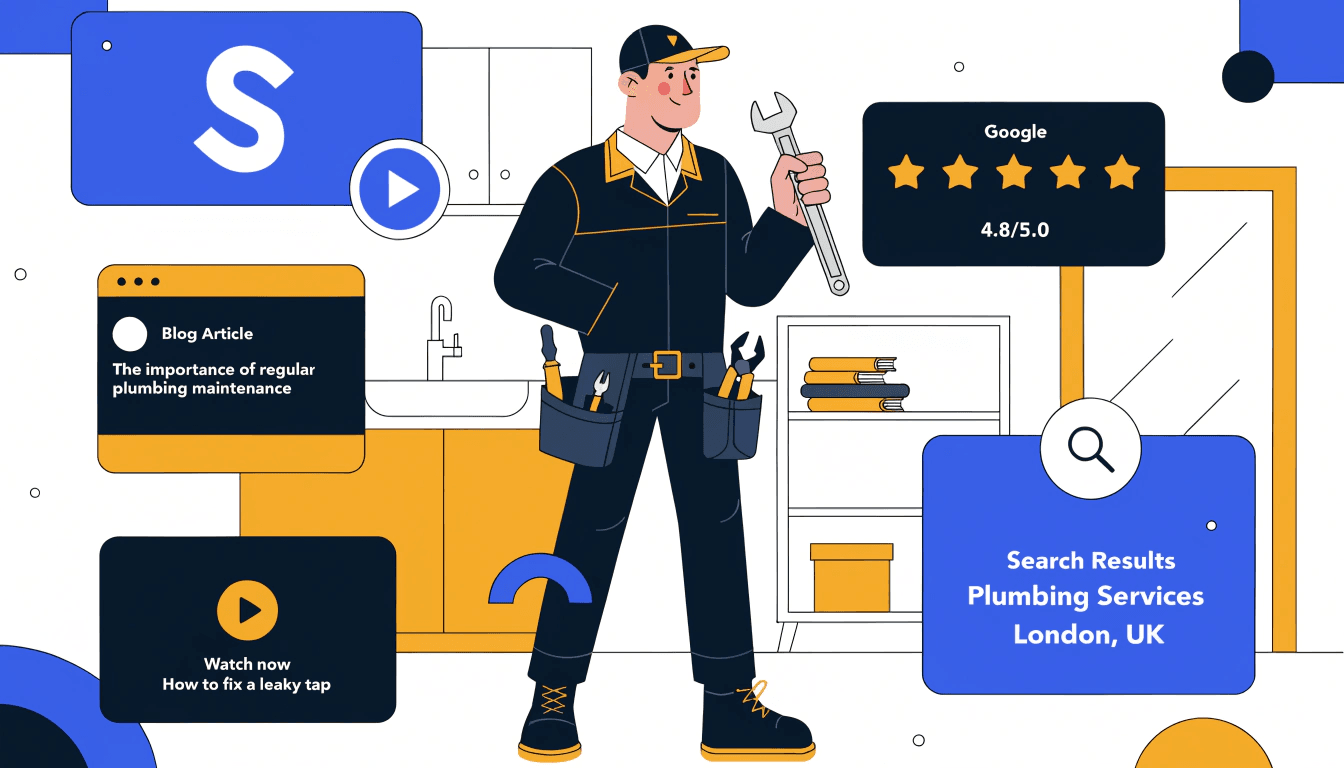
The practical takeaway: use AI to assist your content process, not to replace your voice. A plumber who uses AI to draft a blog post about common boiler faults, then adds their own field observations and specific advice based on local installs, will always outrank a generic AI-only piece.
Optimising for AI-Powered Search (This One Snuck Up on a Lot of Businesses)
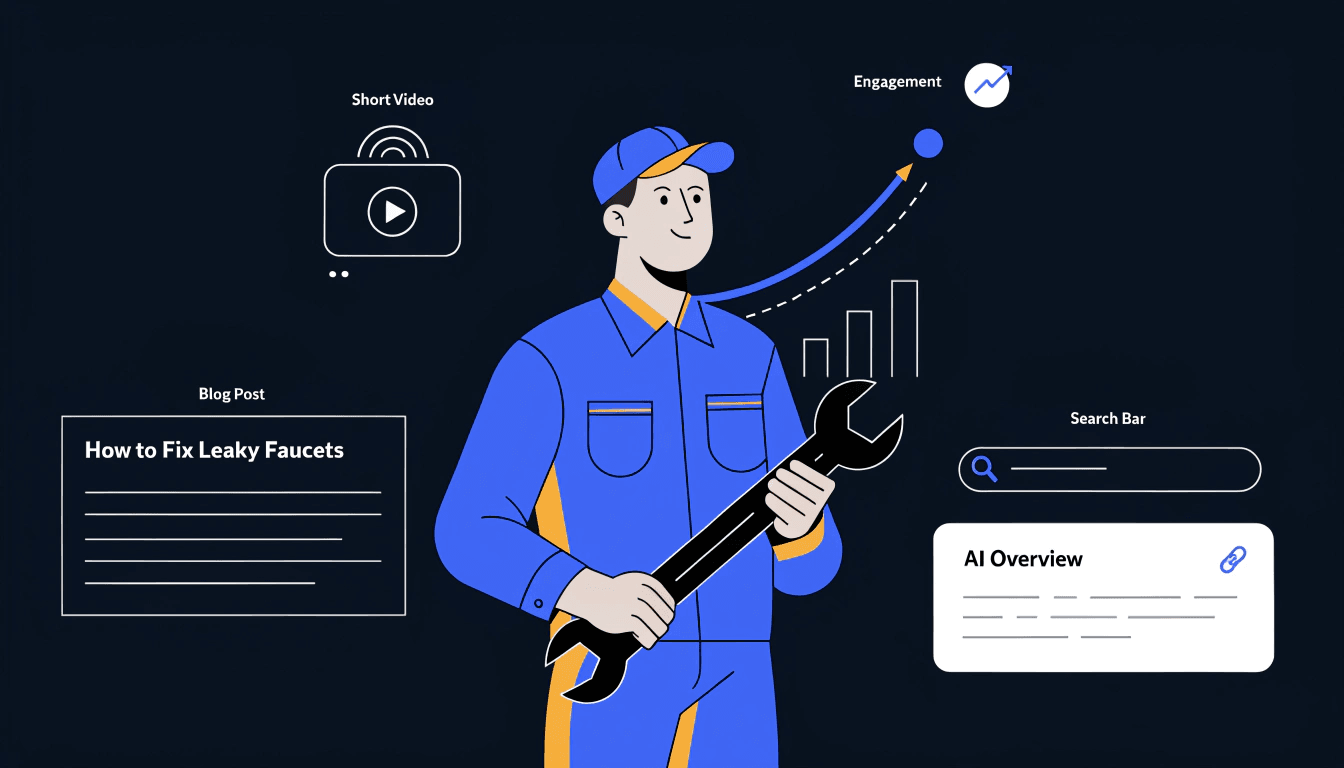
Google's AI Overviews now appear at the top of search results for a significant proportion of queries. ChatGPT, Perplexity, and similar tools are also being used to answer questions that previously sent traffic to websites.
This has created a new challenge called Generative Engine Optimisation (GEO): making sure your content gets cited and referenced by AI systems, not just ranked in traditional search.
What does this mean practically?
- Write content that directly answers specific questions in clear, structured language
- Use headings that mirror how people actually phrase their questions
- Build authority on a topic by covering it comprehensively across multiple posts, not just once
- Make sure your business information (name, location, services, reviews) is consistent and thorough across the web
The businesses that structure their content well for traditional SEO tend to do well in AI search too, because the underlying quality signals are similar. But it's worth knowing this is happening, because ignoring it means quietly losing a source of traffic.
Short-Form Video Is No Longer Optional
Short-form video is now the highest-ROI content format for marketers, ahead of blogs and social posts. According to HubSpot's 2026 State of Marketing Report, short-form video delivers the best return on investment for 49% of marketers, and 91% of businesses now use video as a marketing tool.
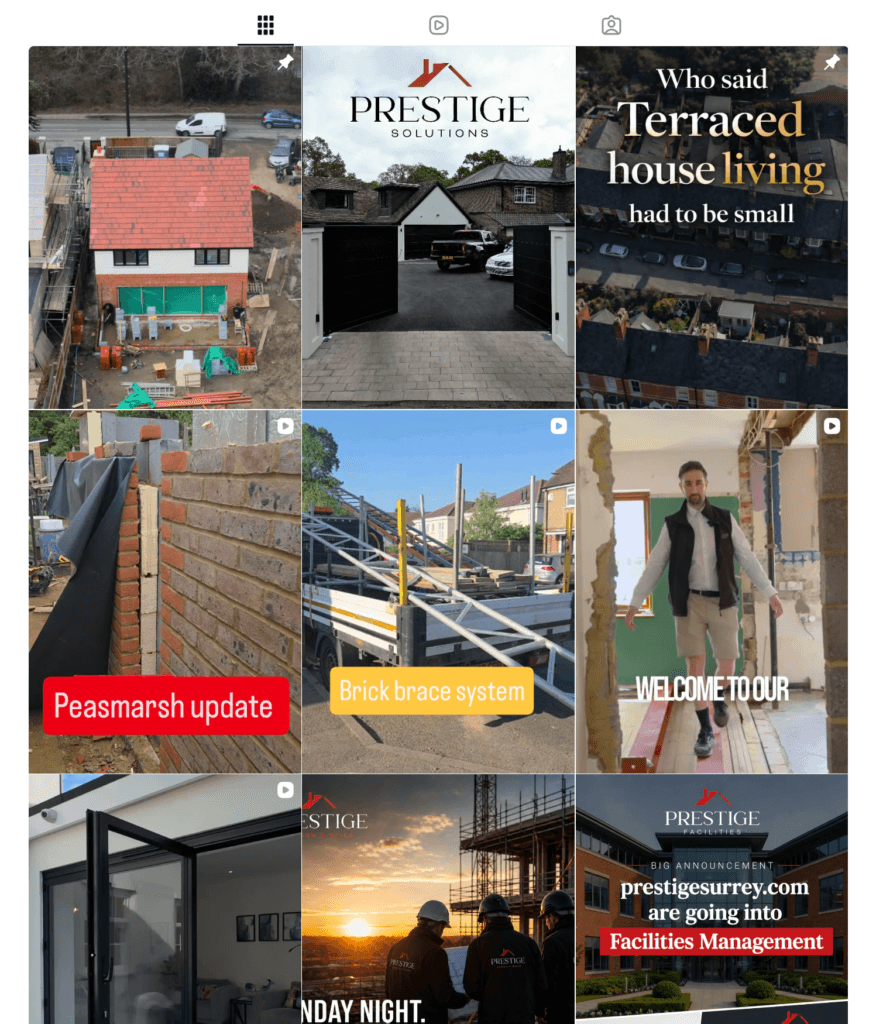
For trade and service businesses, this is one of the biggest untapped opportunities available. A 60-second video of a bathroom transformation, a boiler install, a before-and-after haircut, or a "day on the job" clip does more for trust-building than three blog posts combined.
You don't need production quality. You need authenticity. Shaky-cam footage of genuine work wins on TikTok and Instagram Reels in a way that polished corporate video simply doesn't.
Start with one format and post consistently. Even two or three videos a month on a single platform will compound over time.
Trust and E-E-A-T: Google Wants Proof You Know What You're Talking About
Google's E-E-A-T framework — Experience, Expertise, Authoritativeness, Trustworthiness — has become increasingly central to how content is evaluated in search.
For small businesses, this is good news. You have genuine experience that no AI can replicate. The challenge is making that experience visible in your content.
Practical ways to demonstrate E-E-A-T:
- Write from first-hand experience. "In my experience fitting underfloor heating in Victorian properties..." is infinitely more credible than generic advice.
- Use real client results and outcomes. "We helped a solicitor's firm in South London increase their organic enquiries by 40% in six months" beats vague claims every time.
- Publish author bios that explain who you are and why you're qualified to write on the topic.
- Collect and showcase Google reviews consistently. Reviews are a trust signal both for users and for search engines.
- Keep your content updated. Outdated statistics and old advice actively damage your credibility.
Authenticity isn't just good marketing. It's an SEO strategy in itself.
Content Hubs: The SEO Structure That Compounds Over Time
One of the clearest shifts in content strategy over the last couple of years is the move away from publishing disconnected blog posts towards building content hubs: clusters of articles organised around a central pillar page.
The SEO logic is straightforward. If you have a pillar page on marketing for plumbers, and you surround it with supporting posts on lead generation, Google Ads for trades, local SEO for plumbers, and similar topics, Google sees a coherent, authoritative resource on that subject. The whole cluster lifts in rankings together.
For small businesses building out a blog, this means being more deliberate about which topics you cover and how they connect. Rather than writing whatever feels timely, plan a core topic first and build inward from there.
If you're unsure where to start, look at what questions your customers ask you most often. Those questions are your content hubs.
Interactive Content: Give People Something to Do
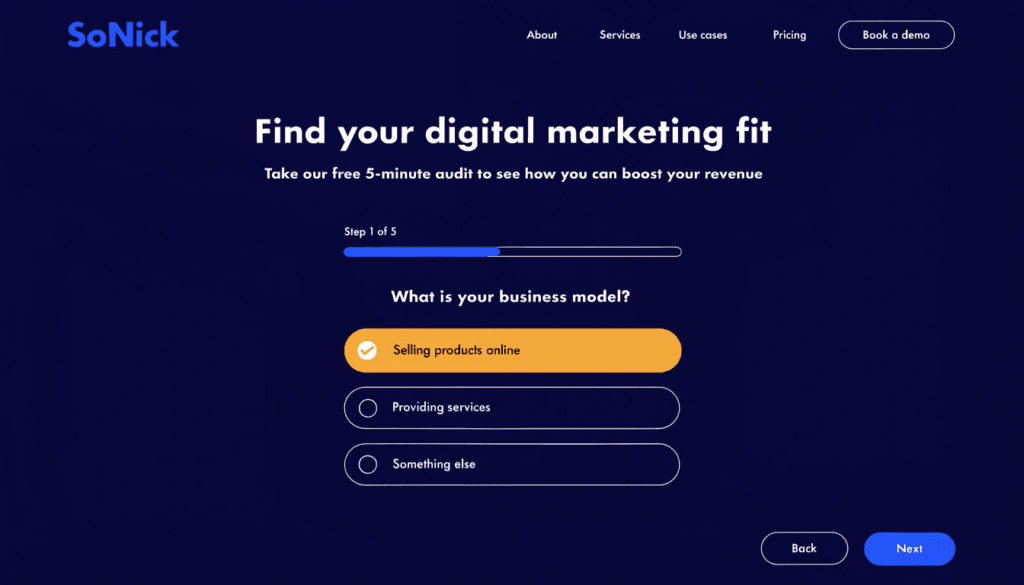
Static blog posts will always have their place, but interactive content is increasingly effective at driving engagement and lead generation, and it's more accessible for small businesses than it used to be.
Formats worth considering:
- Free audit tools or assessments. Give a prospect something useful, and you capture a lead at the same time.
- Quizzes. "Which type of SEO package is right for my business?" works well for both the visitor and for qualifying enquiries.
- Cost calculators. Particularly effective for trades and home services where pricing is a major concern upfront.
- Polls and Q&A features on social media, especially Instagram Stories.
Interactive content tends to have significantly longer on-page time than static articles, which sends strong engagement signals to search engines. It also creates a natural reason for someone to hand over their contact details.
Repurposing: The Most Practical Strategy for Time-Strapped Business Owners
One of the most persistent myths about content marketing is that it requires constantly producing new material. It doesn't. It requires getting maximum reach from what you already create.
A well-researched blog post can become:
- A LinkedIn post summarising the three key points
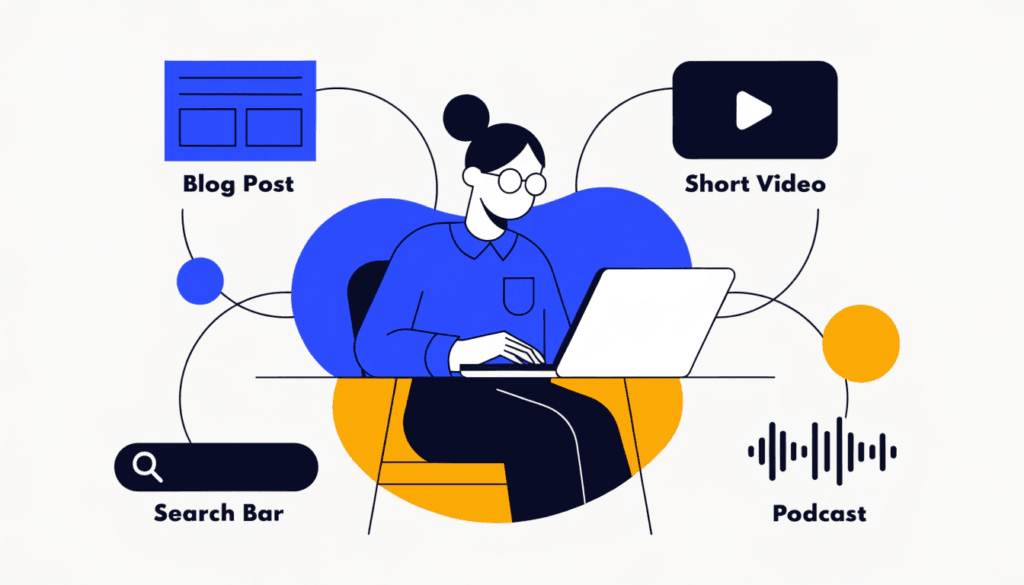
- A 60-second Reel or TikTok walking through the main idea
- A series of three or four Instagram slides (carousel format)
- A section in your email newsletter
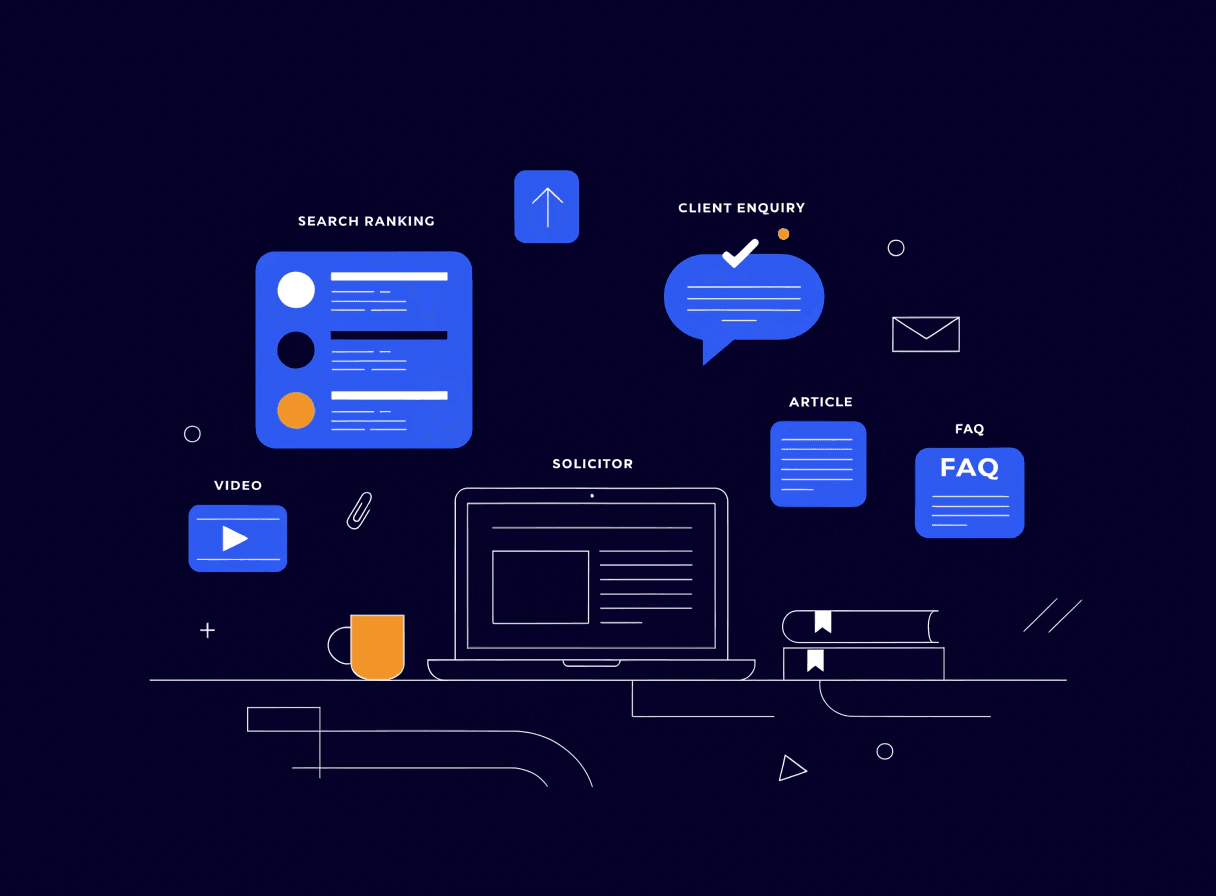
- The foundation of a FAQ page on your website
This isn't cutting corners. It's smart distribution. Most people who see your Instagram video won't have read your blog post, and vice versa. They're different audiences encountering the same knowledge through different channels.
If you currently produce any content at all, repurposing is likely the fastest way to increase your marketing output without increasing your workload proportionally. Build the repurposing workflow in from the start rather than treating it as an afterthought.
FAQs: Content Marketing in 2026
What is content marketing, and does it work for small businesses?
Content marketing is the practice of creating and distributing valuable information to attract and retain customers, rather than interrupting them with adverts. It absolutely works for small businesses; the benefits of content marketing for small businesses compound over time in a way that paid advertising alone doesn't.
How important is AI in content marketing right now?
Significant, but it needs to be handled carefully. AI tools are genuinely useful for speeding up research and drafting, but content that lacks real experience or expertise is increasingly easy for both Google and readers to identify. The best approach is human-led and AI-assisted, not the other way around.
Should small businesses be on TikTok and Instagram Reels?
If your audience is there, yes. For trades, salons, and many local service businesses, short-form video on these platforms is one of the highest-impact things you can do right now. Start with one platform rather than spreading yourself too thin.
How do I know if my content strategy is working?
Track the metrics that matter to your business: organic search traffic, enquiries generated, time on page, and return visitors. Vanity metrics like social media followers are less useful than whether people are actually contacting you as a result of your content.
What's GEO, and should I be worried about it?
Generative Engine Optimisation refers to making your content visible within AI-powered search results like Google's AI Overviews and ChatGPT search. You don't need to panic, but you do need to be aware of it. Well-structured, authoritative content that directly answers questions is the foundation of both traditional SEO and GEO.
Conclusion
Content marketing in 2026 rewards businesses that are willing to demonstrate genuine expertise, show up consistently, and meet their audience where they are. That might be a Google search, a short video, or an interactive tool.
The trends covered in this post aren't about chasing every new platform or reinventing your marketing every six months. They're about building a strategy that compounds: good content that earns trust, builds authority, and generates leads over time.
If you'd like to understand how your current online presence stacks up, run a free SEO audit — it takes under a minute and gives you a clear picture of where to focus.
Or if you're ready to build a content strategy that actually moves the needle, get in touch and let's talk through what's possible for your business.