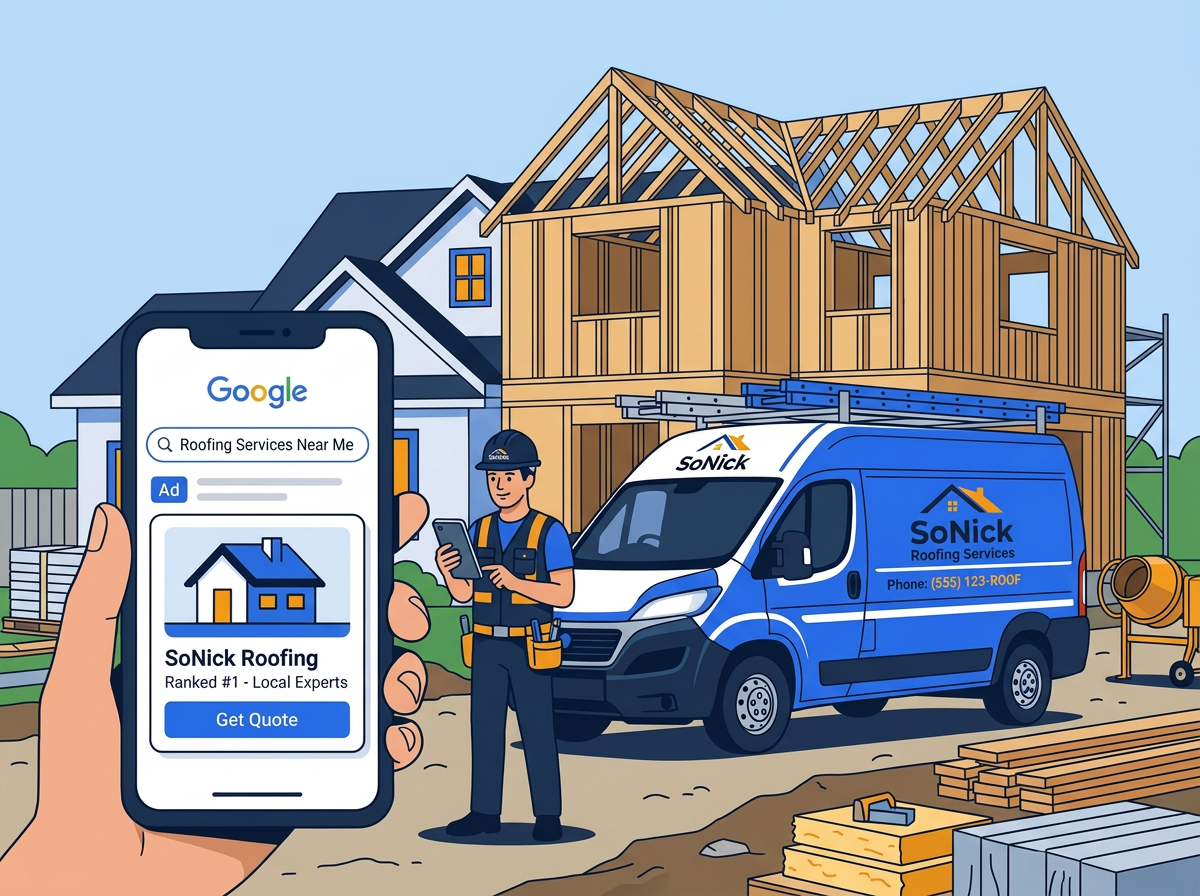
Building companies tend to grow through word of mouth and repeat business for a long time before anyone thinks seriously about marketing, and that's not a bad instinct. Referrals convert well and cost nothing. The limitation is that it caps how fast you can grow, and building projects take months to convert from first enquiry to a start date, so a quiet spell in your marketing today shows up as an empty diary six months from now, often right when you're too busy on-site to notice the gap forming. This guide covers the marketing that works alongside referrals, not instead of them, to keep quality enquiries coming in more predictably.
This article is part of my guide to marketing for tradespeople.
Start With Organic Visibility
Before spending on advertising, make sure your Google Business Profile and website are working as hard as they can for free. For building work, this means a properly categorised profile, a genuine project gallery, and service pages that answer the specific questions someone planning an extension or conversion actually has. I've covered this in full in SEO for Builders and Contractors, and it's worth getting right before layering paid channels on top, since it's the channel with the best long-term return for the investment.
A Strong Portfolio Sells the Work Better Than Any Ad
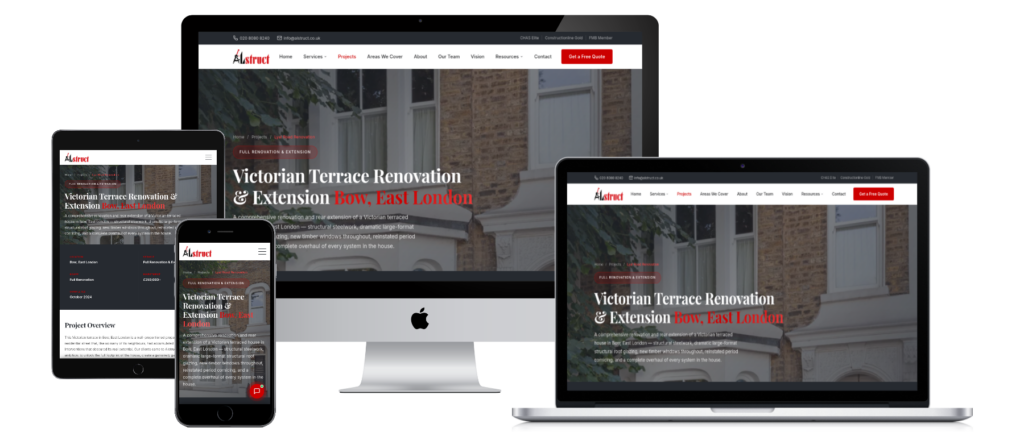
Homeowners planning to spend tens of thousands of pounds on an extension or a loft conversion want to see what you've actually built before they'll shortlist you. A dedicated portfolio, real photos of completed projects with a short description of the brief, the challenge, and the outcome, does more to win serious enquiries than almost any other single piece of marketing. Write up your two or three strongest projects properly rather than leaving a thin gallery with no context, and keep adding to it as new work completes.
Architects and Interior Designers: An Overlooked Referral Source
Beyond past clients, local architects, interior designers, and planning consultants are worth building genuine relationships with. They recommend builders to their clients regularly, on projects that are typically already well-scoped and realistically budgeted, and one solid relationship of this kind can feed steady, higher-quality work for years. This is a slower channel to build than paid ads, but it's one most builders never pursue deliberately, which makes it a genuine point of difference if you do.
Google Ads: Worth It for the Right Terms
Building work has a longer, more considered sales cycle than most trades, which changes how Google Ads should be used. Broad terms like "builder near me" tend to be expensive and attract a lot of tyre-kicking. Terms with clearer commercial intent, "extension cost calculator," "loft conversion quote," "builder for extension [town]," convert better because the searcher is closer to a decision.
Keep campaigns tightly geographic, matched to where you genuinely want to take on work, and track conversions on actual enquiries, not just clicks, so you can see which terms are worth the spend. This is the kind of structure my Google Ads management service sets up for trade businesses.
More Enquiries Isn't Automatically Better
It's worth being deliberate here rather than just chasing volume. A flood of enquiries that don't convert into booked work still costs you hours in replies and quotes, time that isn't available for the jobs you're actually running. Clear messaging about the type of projects you take on, your typical budget range, and the areas you cover filters out poor-fit enquiries before they reach your inbox, which is worth more than a larger number of generic ones.
Reviews and Referrals, Deliberately Collected
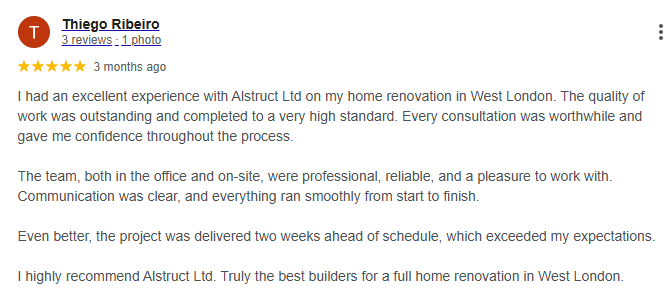
Building work is a significant financial and practical commitment for a homeowner, which means reviews carry real weight in the decision. Ask for a review at the point a project completes successfully and the client is genuinely pleased, rather than leaving it to chance, and ask satisfied clients directly for referrals too, a modest incentive, a voucher or a discount on future work, is often enough to prompt an introduction that wouldn't have happened otherwise.
Your Google reviews now travel further than Google itself. I tested 10 local searches in ChatGPT, including builders Winchester, and where ChatGPT showed star ratings and review counts for businesses that were also in Google's local pack, they matched Google's figures in 66 of 67 cases. In other words, the reviews on your Google profile are the ones ChatGPT tends to repeat. I explain more in how ChatGPT finds and recommends local tradespeople.
Bringing It Together
Marketing for builders works best as a light layer on top of what already drives the business: referrals, repeat clients, and now genuine architect and designer relationships alongside them. Solid organic visibility, a portfolio that actually sells the work, targeted paid ads on high-intent terms, and consistently collected reviews and referrals together give you a second, more predictable source of enquiries, without needing to compete on price or volume, and without leaving a gap in the diary six months from now because marketing stopped the moment things got busy.
For the wider picture of how these channels work together for trade businesses, see my trades marketing page. If you'd like to see how your building company could be found by more of the homeowners already searching for one, run a free SEO audit, it takes under a minute.