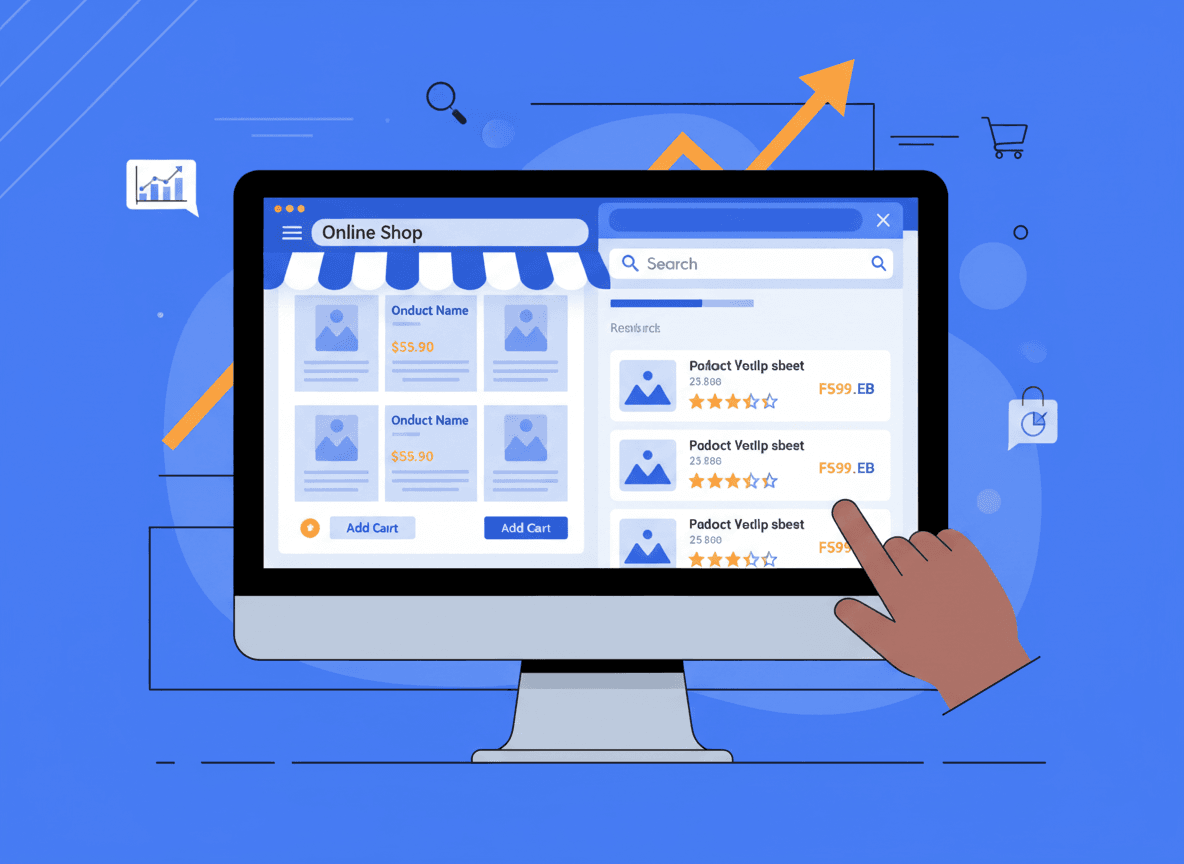
Most small business owners build a website, feel a quiet sense of relief, and then wait. They wait for enquiries. They wait for Google to notice them. They wait for something to happen. But a website on its own does nothing. It is a tool, and like any tool, it only produces results when you actually use it. That is what website marketing is: the deliberate, ongoing work of making your website visible, attracting the right people to it, and turning those visitors into customers.
This guide explains what website marketing involves, which channels are available to you, and how to build a strategy that works for a small business with real budget and time constraints.
What Is Website Marketing?
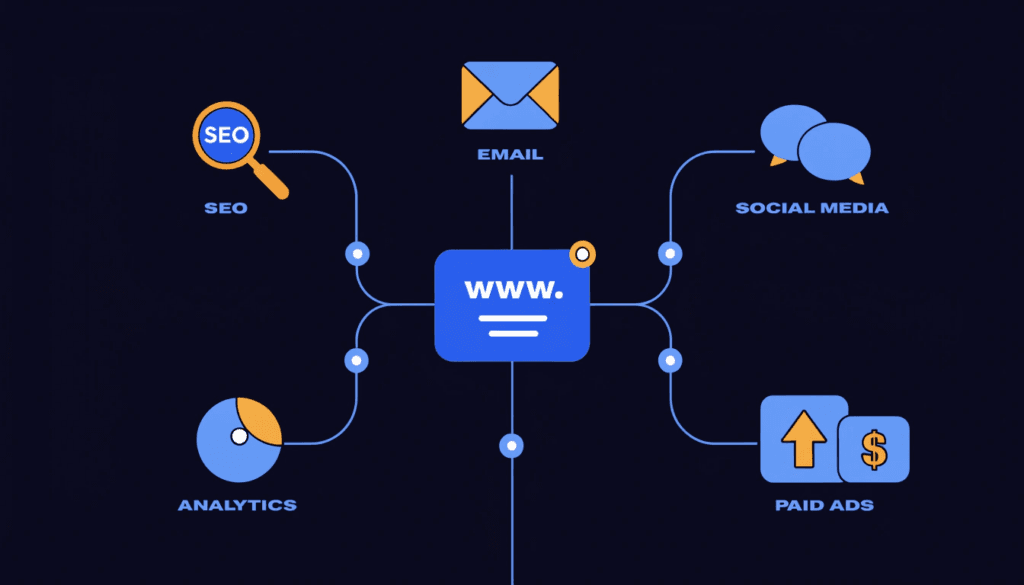
Website marketing is the process of promoting your website through online channels to attract visitors and convert them into customers. It encompasses everything from appearing in Google search results to running paid adverts, sending email newsletters, and sharing content on social media.
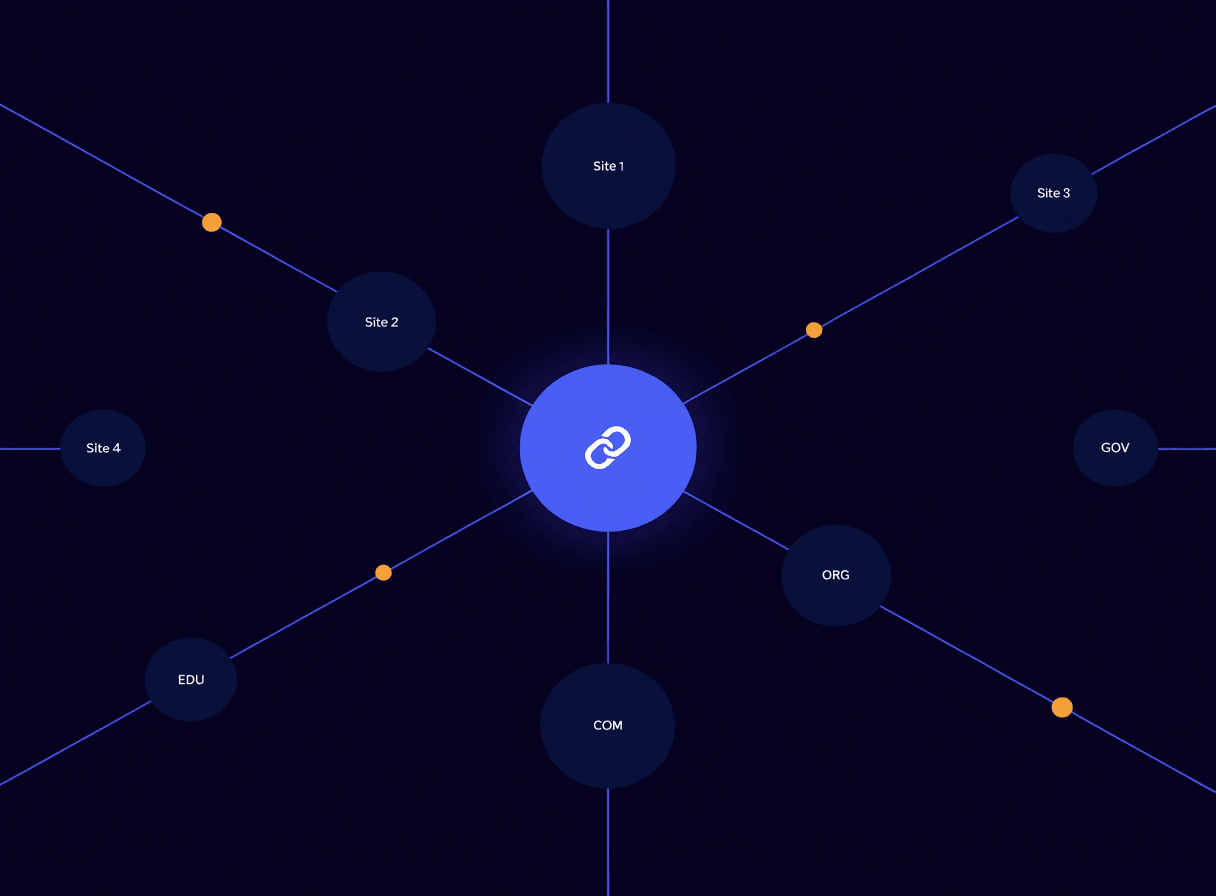
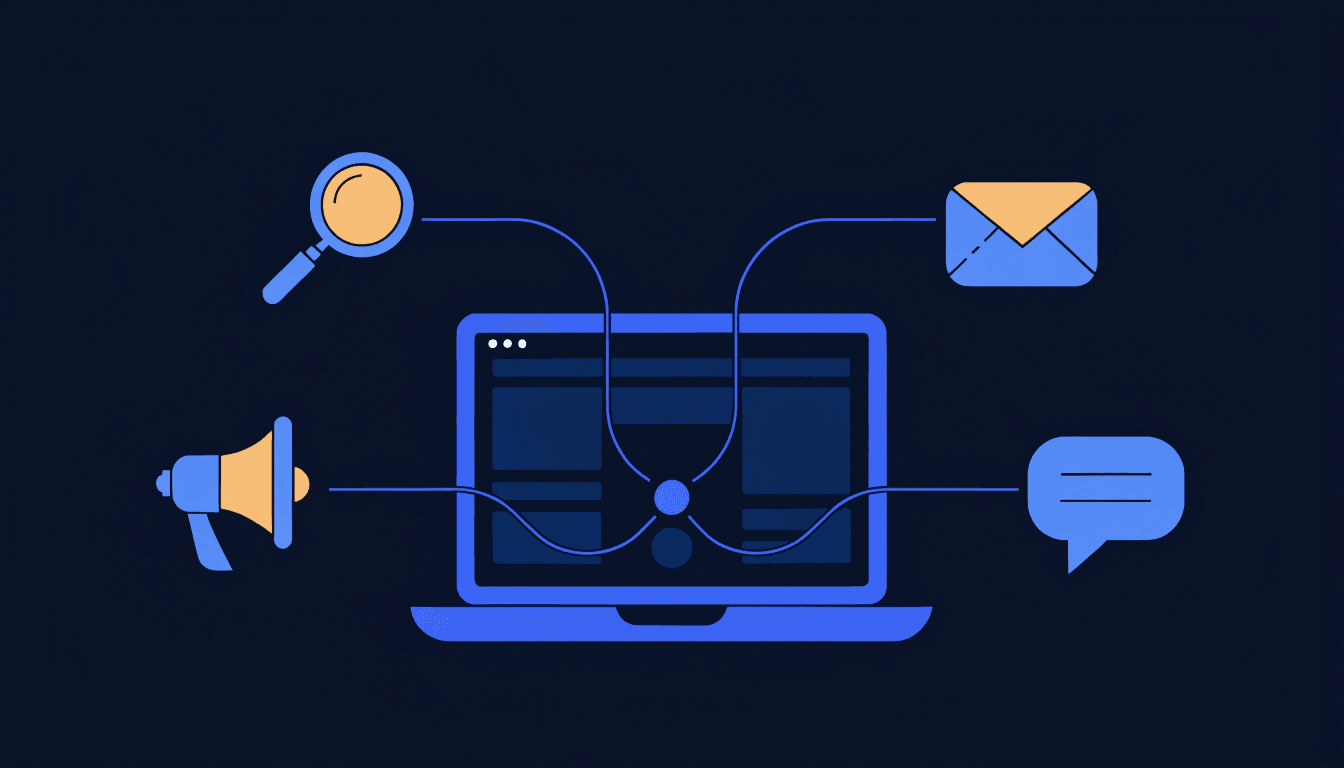
The key distinction is that your website is the destination. Every marketing channel (whether that is organic search, Google Ads, or an email campaign) exists to bring people to your site, where you then need to convince them to take action. This is different from social media marketing, which can happen entirely off your website. Website marketing treats your site as the hub of your entire online presence, with all other channels acting as spokes feeding traffic into it.
For small businesses, this framing matters. Rather than spreading effort thinly across every platform, a website marketing strategy keeps you focused on one central goal: getting the right people to your site and making sure it converts them when they arrive.
Start Here: Your Website Needs to Work Before You Market It
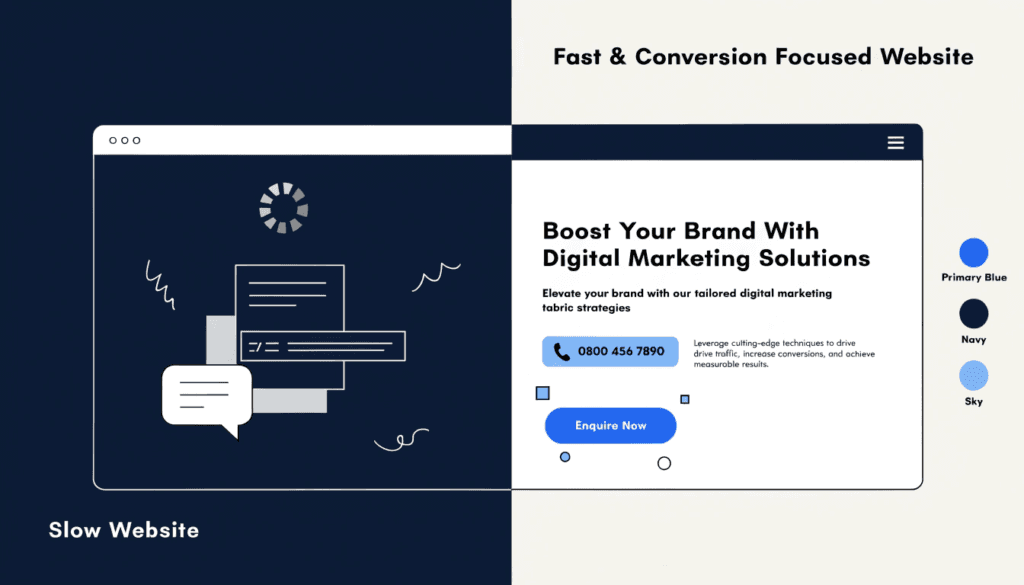
Before spending a single pound on marketing, your website needs to be fit for purpose. This is the step most guides skip, but it is the most important one.
If your site loads slowly, looks unprofessional on a mobile phone, or fails to clearly explain what you do and who you serve, then driving traffic to it is a waste of money. You are paying to send people to a leaky bucket.
A website ready for marketing needs to do three things well:
Load quickly. Google uses page speed as a ranking factor, and visitors leave slow sites within seconds. Run your site through Google's PageSpeed Insights tool to see where you stand.
Be clear immediately. A visitor landing on your homepage should understand within a few seconds what you do, who you help, and what they should do next. If that is not obvious, fix the messaging before you invest in marketing.
Have a clear conversion path. Every page should guide visitors towards an action: calling you, completing an enquiry form, or booking a consultation. If there is no clear next step, visitors will leave without engaging.
If your current website does not meet these standards, the most effective marketing investment you can make is a new one. A well-built website for a small business is not an expense. It is the foundation that makes every other marketing channel work harder. Take a look at our web design services if you think your site needs attention before you start promoting it.
The Main Website Marketing Channels
Once your website is ready, you have several channels available to drive traffic to it. They work in different ways, at different speeds, and suit different types of businesses. Here is an honest breakdown of each.
Search Engine Optimisation (SEO)
SEO is the process of optimising your website so it appears higher in Google's organic search results when people search for the services you offer. For most small businesses, it is the most valuable long-term website marketing channel available.
When someone searches "plumber in Guildford" or "hair salon near me," Google returns a list of results it considers most relevant and trustworthy. SEO is the work of ensuring your site earns those positions. It involves keyword research, on-page optimisation, technical improvements, local SEO, and building your site's authority through quality content and links.
The main advantage of SEO is that the traffic it generates is free once you rank. Unlike paid advertising, you are not paying per click. The trade-off is time: SEO typically takes three to six months before results become meaningful, and it requires consistent effort to maintain and improve rankings.
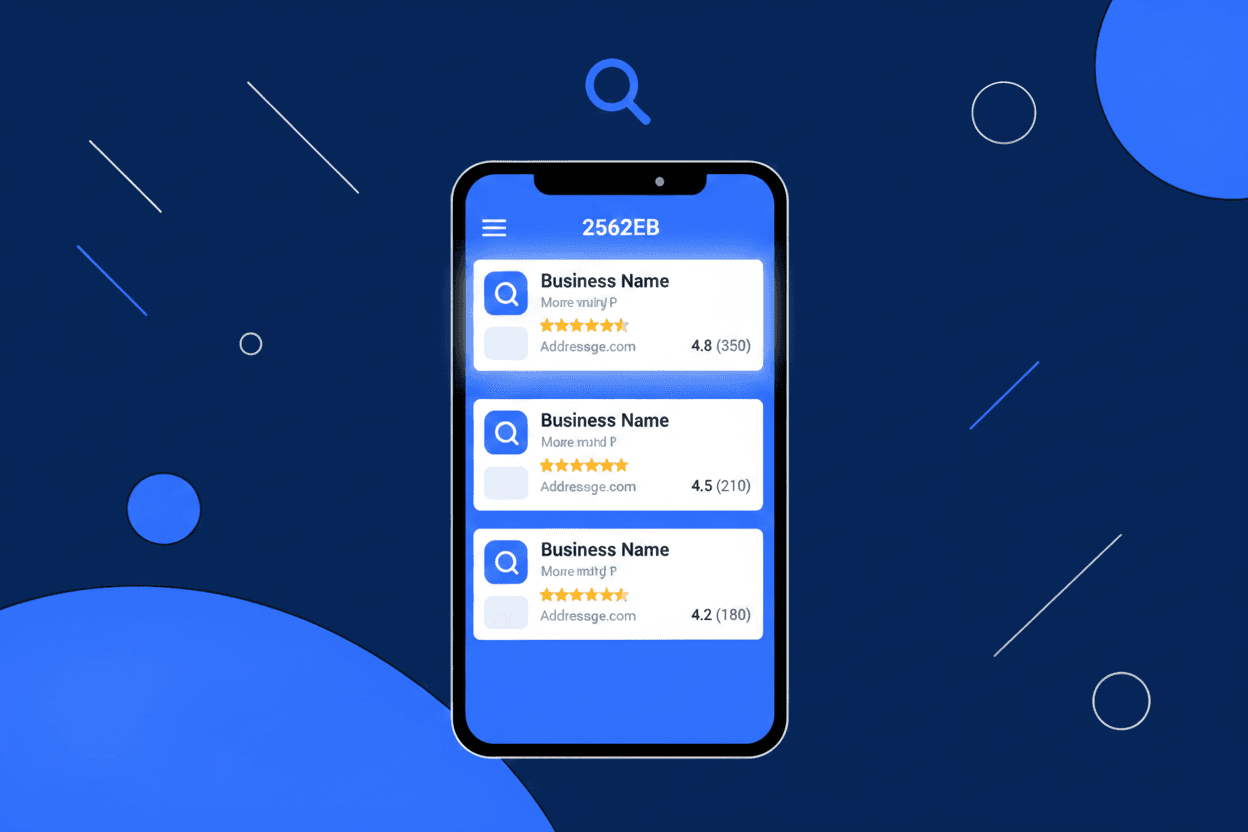
For local service businesses (tradespeople, salons, solicitors, consultants), local SEO is particularly powerful. Appearing in the Google Map Pack (the three local results that appear at the top of location-based searches) can generate a steady stream of high-intent enquiries. A tool like SE Ranking is useful for tracking your keyword rankings and monitoring progress over time.
If you want to understand how SEO works in practice, my guide on how to rank higher on Google covers the fundamentals in detail.
Content Marketing
Content marketing means creating useful, relevant content (typically blog posts, guides, or videos) that answers the questions your potential customers are already searching for.
It works hand-in-hand with SEO. A plumber who publishes a guide on "how to tell if your boiler needs replacing" can rank for that search term and attract homeowners who are actively considering a new boiler. That is a warm lead arriving at your website without you having to chase it.
For small businesses, the most practical form of content marketing is a blog. You do not need to publish daily. One well-researched, genuinely useful post per month is more valuable than ten thin pieces that do not answer anything properly. Start with the questions your customers ask you most often before they book. Those are your best blog topics.
Content marketing is a long-term play, but it compounds over time. A post that ranks well continues to drive traffic for years. The benefits of content marketing for small businesses are worth understanding before you invest time in it.
Google Ads (Pay-Per-Click)
Google Ads is paid advertising that places your website at the top of search results for specific keywords. You pay each time someone clicks your advert, which is why it is also called pay-per-click (PPC).
The main advantage over SEO is speed. A well-set-up Google Ads campaign can start generating enquiries on the day it goes live. For businesses that need leads quickly, or that operate in competitive markets where organic rankings take time to build, PPC is often the most direct route to results.
The trade-off is cost. You pay for every click, and in competitive industries such as emergency plumbing, legal services, and property, costs per click can be significant. Google Ads also requires ongoing management. Poorly set-up campaigns waste budget quickly. Done properly, though, the return on investment is measurable and often strong.
Google Ads and SEO are not mutually exclusive. Many businesses run both: PPC for immediate visibility and short-term lead generation, SEO for building long-term organic presence. If you want to explore what Google Ads could do for your business, take a look at our PPC management service.
Email Marketing
Email marketing involves building a list of customers and prospects and communicating with them directly through their inbox. It is one of the most cost-effective channels available, and unlike social media, you own your list. No algorithm decides whether your message gets seen.
For small businesses, email marketing tends to work best for retaining existing customers and staying front of mind between purchases. A monthly newsletter with useful tips, seasonal offers, or updates about your business keeps your audience engaged without requiring a hard sell every time.
The starting point is collecting email addresses. A sign-up form on your website, an incentive such as a free guide or discount, or simply asking customers at the point of purchase. All of these build your list over time. The list itself becomes a valuable business asset.
Social Media
Social media can drive traffic to your website, but it works differently from SEO or paid search. People on social media are not actively searching for your service. They are browsing. That means social media is better suited to building brand awareness and staying visible with an existing audience than to generating direct enquiries.
For most small service businesses, the honest advice is to pick one platform that suits your audience and show up there consistently, rather than spreading thin across four. A plumber does not need a TikTok presence. A hair salon probably does. Think about where your customers actually spend their time.
Social media posts can also drive traffic to specific pieces of content on your website (a helpful blog post, a case study, or a new service page), which connects the channel back into your broader website marketing strategy.
Remarketing
Remarketing (sometimes called retargeting) is a form of paid advertising that shows adverts specifically to people who have already visited your website. If someone browses your services page and leaves without making an enquiry, remarketing lets you follow up with targeted adverts as they browse other websites or scroll through social media.
It is one of the most efficient forms of advertising because you are only spending money on people who have already shown interest in your business. Conversion rates for remarketing campaigns are typically higher than for cold traffic campaigns for exactly this reason.
Which Channel Should You Start With?
The channel that is right for you depends on your business type, budget, and how quickly you need results. This table gives an honest overview:
| Channel | What It Does | Speed of Results | Best For |
|---|---|---|---|
| SEO | Earns organic Google rankings | Slow (3–6 months) | Long-term lead generation, local service businesses |
| Google Ads / PPC | Paid placement at the top of search results | Fast (immediate) | Quick leads, competitive markets, new businesses |
| Content marketing | Attracts searchers with useful blog content | Slow (builds over time) | Building authority, supporting SEO |
| Email marketing | Communicates directly with your list | Fast (once list exists) | Customer retention, repeat business |
| Social media | Builds brand awareness and community | Medium | Brand visibility, audience engagement |
| Remarketing | Re-engages website visitors with paid ads | Fast | Converting warm traffic, boosting PPC performance |
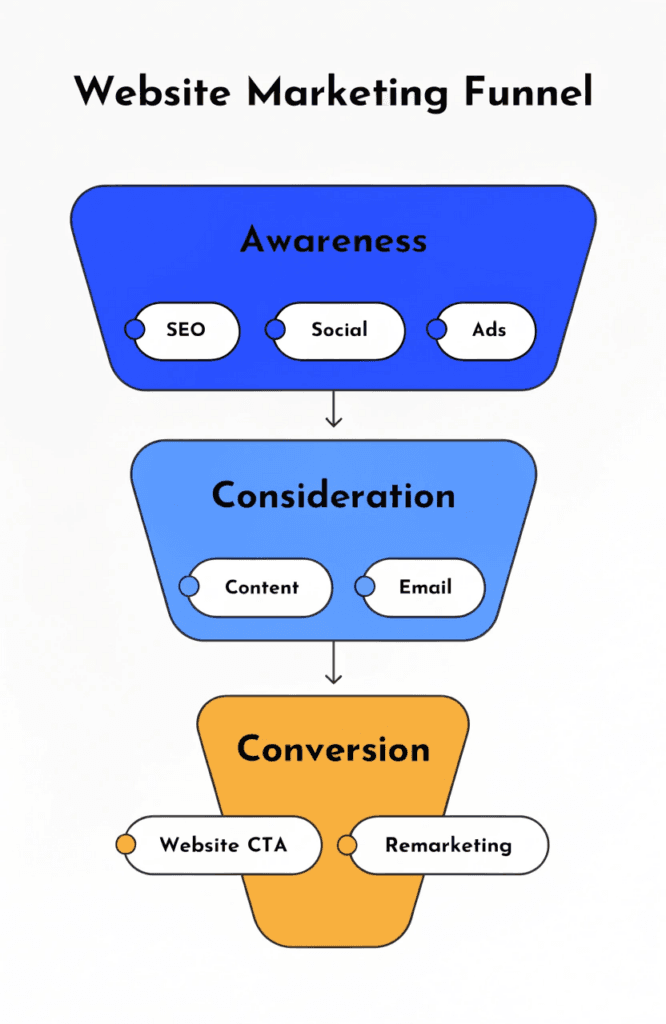
My general recommendation for a small service business starting out: begin with SEO and one piece of supporting content per month. If you need leads faster than SEO can deliver, add Google Ads alongside it. Build your email list from day one, even if you do not use it immediately. Leave social media until you have those foundations in place.
How to Build a Website Marketing Strategy
A strategy does not need to be complicated. For a small business, it comes down to four steps.
1. Set a clear goal. Do you want more phone enquiries? More form submissions? More bookings? Be specific. "Get more traffic" is not a goal. "Generate 10 new enquiries per month from the website" is.
2. Choose one or two channels. Trying to do everything at once leads to doing nothing well. Pick the channels that suit your business type and focus there. You can add more later.
3. Give it enough time. SEO takes months. Content marketing compounds slowly. Set a realistic review period of at least three months before judging whether something is working.
4. Measure what matters. Use Google Analytics 4 to track where your traffic comes from and which pages lead to enquiries. Knowing what works lets you do more of it and stop wasting time on what does not.
The businesses that get the best results from website marketing are not the ones with the biggest budgets. They are the ones that stay consistent over time with a focused strategy.
Conclusion
Website marketing is not a one-off project. It is an ongoing investment in making your website work as hard as possible for your business. Start by getting the foundations right: a fast, clear, well-built website. Then choose the channels that suit your goals and commit to them consistently.
Whether that means investing in SEO to build long-term organic visibility, running Google Ads to generate leads more quickly, or building a content strategy that positions you as the go-to expert in your field, the path forward starts with a plan.
If you are not sure where to start, run a free SEO audit to see how your site is performing right now. It takes under a minute and gives you a useful starting point.